

La Contraloría General de la República (CGR) y la Superintendencia de Educación Superior (SES), en uso de sus respectivas facultades legales, la Ley N° 21.094, sobre Universidades Estatales, y la ley N° 21.091 sobre Educación Superior, actuando coordinadamente en su calidad de organismos rectores en el proceso de desarrollo y emisión de la Normativa Contable para Entidades de Educación Superior Estatales, disponen dicho documento en carácter de borrador, para los comentarios que resulten pertinentes.


El legislador refuerza la potestad en materias financiero-contables que posee este Órgano Superior de Control, a través de la ley N° 21.091 sobre Educación Superior cuyo artículo 36 indica entre otras materias que “Las instituciones de educación superior deberán llevar contabilidad completa. Para estos efectos, la Superintendencia definirá, previa consulta a la Contraloría General de la República, las normas contables que deberán utilizar dentro de aquellas comúnmente aceptadas en el país”, así como también lo indica en el artículo 35 de la ley N° 21.094, sobre Universidades Estatales, donde se menciona, entre otras materias, que “… las universidades del Estado deberán llevar contabilidad completa de sus ingresos y gastos, conforme a principios de contabilidad generalmente aceptados, siguiendo las orientaciones de la Contraloría General de la República.”
Adicionalmente, durante el año 2015, en los Servicios de Asesoría Reembolsables: Fortalecimiento Institucional de la CGR e Implementación de las Normas Internacionales de Contabilidad del Sector Público (NICSP), prestados por el Banco Mundial (BM), se realizó el Informe de los resultados de diagnóstico del estatus de implementación de las Normas Internacionales de Información Financiera (NIIF) en el sector de las Universidades Estatales, el cual, entre otros, tuvo como conclusión que este Órgano Contralor debiese ser el ente rector en la regulación normativa del Sector de la Educación Superior Estatal con el objetivo de promover un mayor control financiero a través del ejercicio de normalización contable.
Por lo expuesto, el Área de Empresas y Universidades, actual Área de Normas de Educación Superior, Empresas y Otras Entidades de la Contraloría General de la República, ha trabajado en coordinadamente con la Superintendencia de Educación Superior en el proyecto de Normativa Contable para Entidades de Educación Superior del Estado.
Revise el cronograma


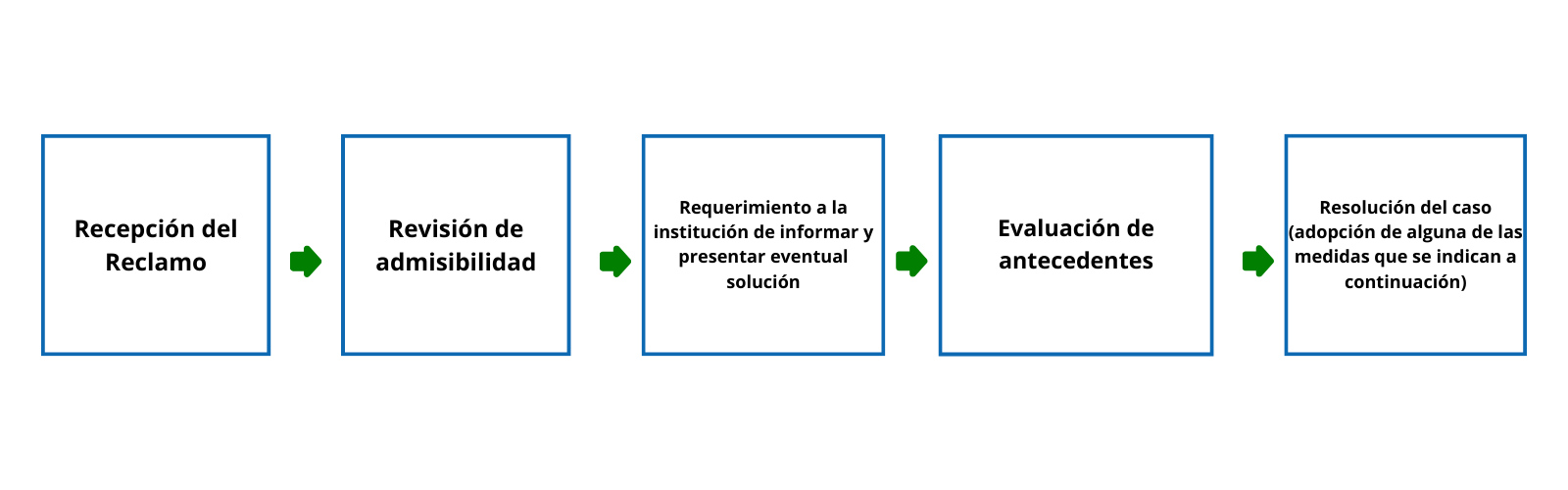
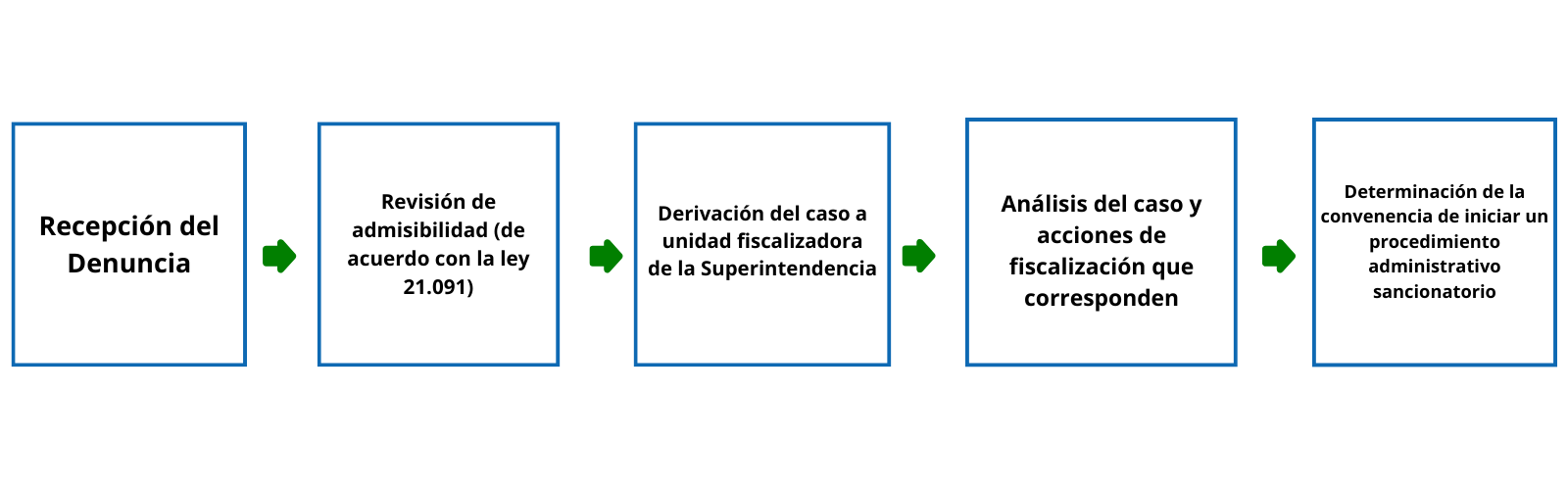
 Obtaining academic background: certificates (notes, a regular student, ranking, recognition of hours, title, grade, and exit), plans and programmes, concentration notes
 Problems in the community institutional arising from violations of the internal regulations of the institutions
 Charges for removal or academic suspension, charging wrong.
 Benefits and/or grants student grants and loans)
 Misleading advertising
 Infrastructure or equipment, laboratories, computer support
 Application and admission selection test
 Comprehensive policy against sexual harassment, violence and gender discrimination


