

The Superintendency of Higher Education (SES) reported that as of January 1, 2026, the new General Rule on Healthy Coexistence and Mental Health Protection in Clinical Settings came into effect, designed to safeguard the well-being of students in health-related fields who are undergoing clinical practice.
The standard establishes specific obligations for all higher education institutions (universities, professional institutes, and technical training centers) that conduct clinical practices within the framework of teaching assistance agreements, both in public and private health establishments.
This regulation arises in a context marked by an increase in claims and complaints related to teacher harassment, academic bullying, and coexistence problems in clinical settings, a situation that entered public discussion following the death of occupational therapy student Catalina Cayazaya. These events brought to light the high criticality of some cases and their direct impact on student mental health.
The dictation of the standard aligns with the diagnosis of the report “University Well-being, Keys to Coexistence and Mental Health,” from the Council of Rectors of Chilean Universities (CRUCH), which warns that 33% of university students currently face mental health problems. In its preparation, the SES had the collaboration of student organizations, higher education institutions, academic associations, and public health sector agencies, and received 79 observations during its public information process.
The regulation will apply to health-related programs and allied fields, which together have an approximate enrollment of 295,000 students, equivalent to 23% of the total higher education system.
What does the new standard establish?
Among the main requirements, the norm obliges institutions to guarantee physical and psychological protection to victims and whistleblowers; ensure prompt internal investigations with due process; strengthen prevention through mandatory training for clinical faculty; provide single reporting channels, including anonymous ones; subscribe to assistance agreements with mandatory clauses; and report received complaints and adopted measures to the Superintendency semiannually. Furthermore, the SES will administer an annual survey on climate and mental health in clinical settings.
The Superintendent of Higher Education, José Miguel Salazar, pointed out that “this regulation establishes a standard of protection and support that did not exist until now and emphasizes prevention,” adding that it will allow progress towards safer and more respectful learning environments for those training in the health field.
For their part, the SES prosecutor, Daniella Maureira, valued the positive response that higher education institutions have shown in moving forward with compliance of the new demands imposed by the regulation. “We have observed that many institutions began early on with training processes aimed at health professionals who teach in clinical settings, incorporating pedagogical tools and strategies into their training and care experience that strengthen more effective, relevant, and meaningful teaching,” she stated.


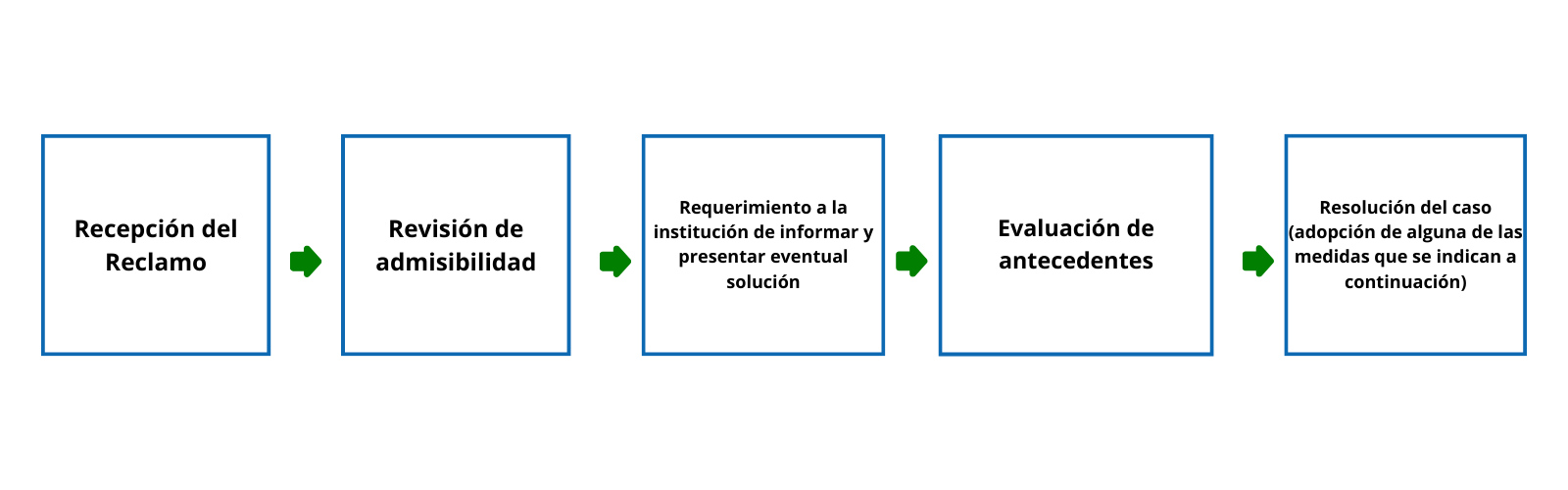
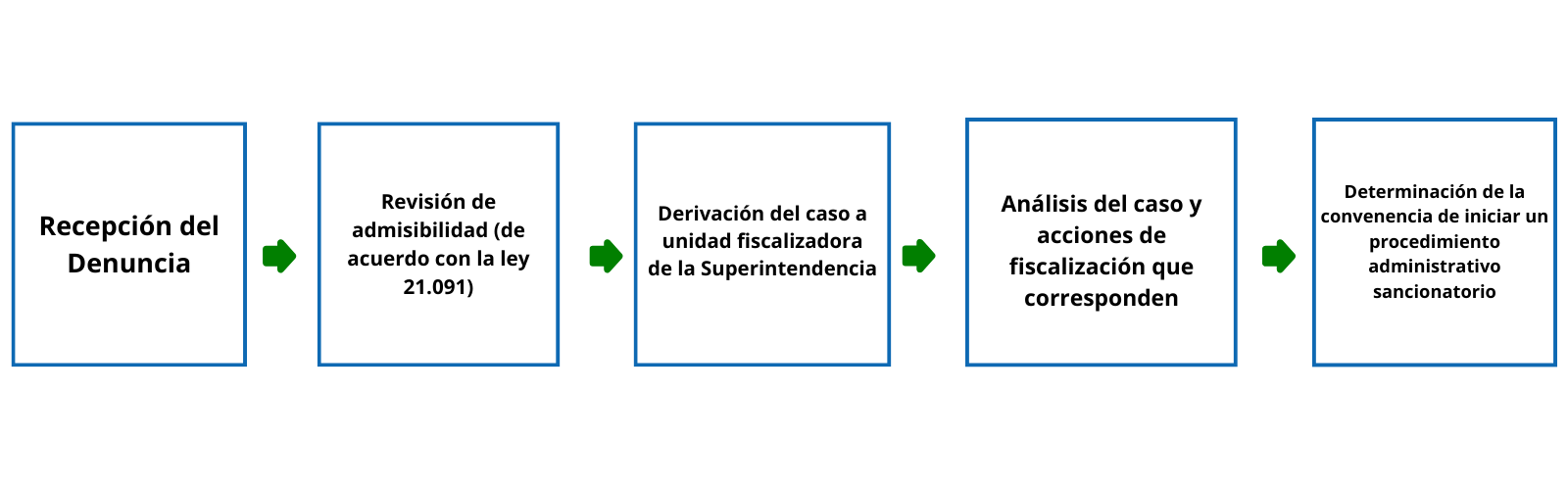
 Obtaining academic background: certificates (notes, a regular student, ranking, recognition of hours, title, grade, and exit), plans and programmes, concentration notes
 Problems in the community institutional arising from violations of the internal regulations of the institutions
 Charges for removal or academic suspension, charging wrong.
 Benefits and/or grants student grants and loans)
 Misleading advertising
 Infrastructure or equipment, laboratories, computer support
 Application and admission selection test
 Comprehensive policy against sexual harassment, violence and gender discrimination


