

The Superintendency of Higher Education has begun its operations. After arduous work, we have successfully fulfilled the mission entrusted to us by President Piñera and Minister Cubillos: to accelerate the establishment of this new oversight body, whose main objective will be to provide certainty to our higher education system, contributing to safeguarding the trust that people place in each of the country's educational institutions.
In recent decades, we have seen remarkable progress in our system. However, there are still areas for improvement and new challenges that 21st-century society demands of us. The Superintendency, whose creation was broadly and transversally supported by all sectors, has the important challenge of contributing, through its oversight and supervisory role, to the stability and development of our higher education system. To this end, we have defined three pillars that will guide us in the exercise of our functions:
First, we will aim for the quality of education, ensuring through more and better controls that all universities, technical training centers, and professional institutes in the country comply with the regulations applicable to them. Likewise, we will help generate, through support, installed capacities within the institutions themselves, so that they are the ones who primarily face the new regulation.
Second, our guiding principle will be strengthening citizen confidence. To this end, we will strive to increase information transparency to facilitate the various decisions of students, their families, and the rest of the system. We will proactively review the financial sustainability of institutions, creating an early warning system that allows us to anticipate situations that may affect the different educational communities. Furthermore, we will ensure that each institution allocates its resources for their intended purposes.
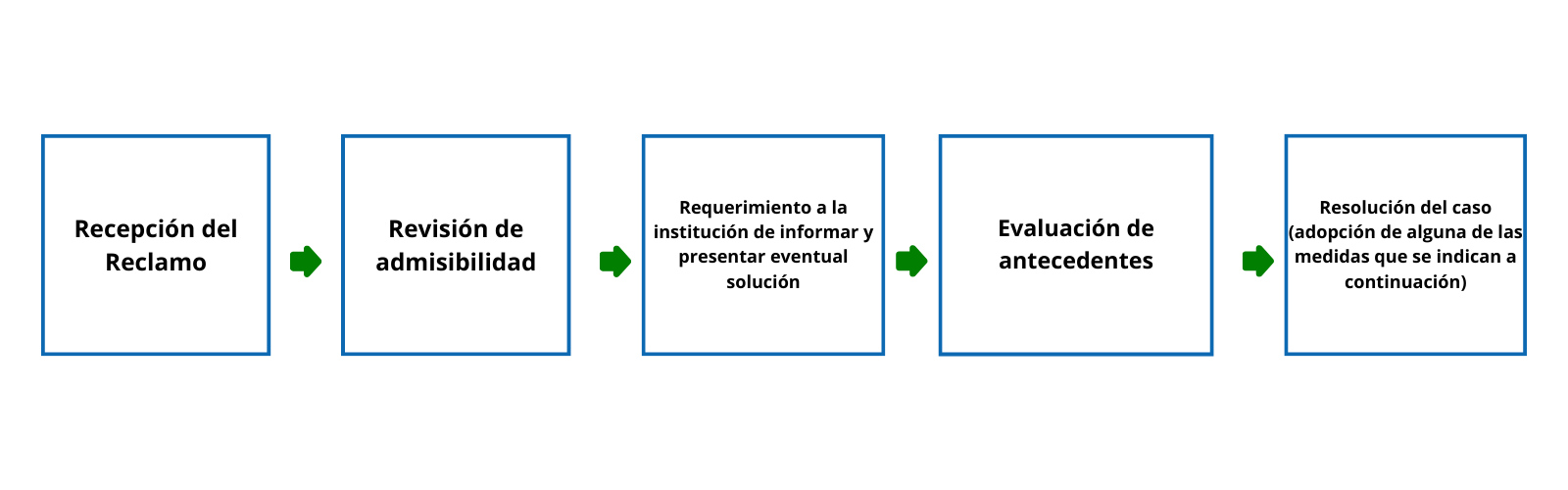
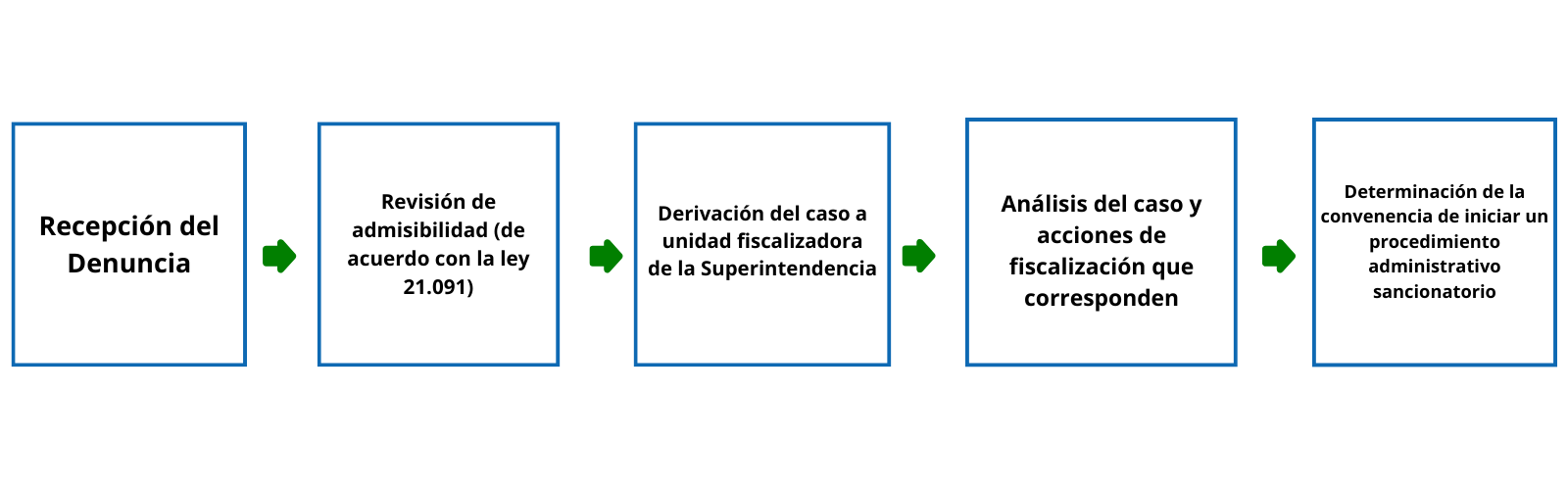
Finally, and being our most relevant pillar, we will focus on people, thus attempting to achieve a change in the way higher education issues are generally addressed. In this regard, we will ensure that institutions comply with the conditions they have agreed upon with their students and will address the complaints and claims made by the various stakeholders in the system, cooperating in the resolution of specific situations that may affect the different members of the educational community.
The real challenge is just beginning. The Superintendency, together with the other quality assurance bodies and, of course, the institutions themselves, must continue to strengthen our system, making it more transparent and of higher quality, so that thousands of students can fully develop their capabilities and thus contribute to the progress of our country.
Jorge Avilés Barros, Superintendent of Higher Education
Letter published in newspaper The Third


 Obtaining academic background: certificates (notes, a regular student, ranking, recognition of hours, title, grade, and exit), plans and programmes, concentration notes
 Problems in the community institutional arising from violations of the internal regulations of the institutions
 Charges for removal or academic suspension, charging wrong.
 Benefits and/or grants student grants and loans)
 Misleading advertising
 Infrastructure or equipment, laboratories, computer support
 Application and admission selection test
 Comprehensive policy against sexual harassment, violence and gender discrimination


