
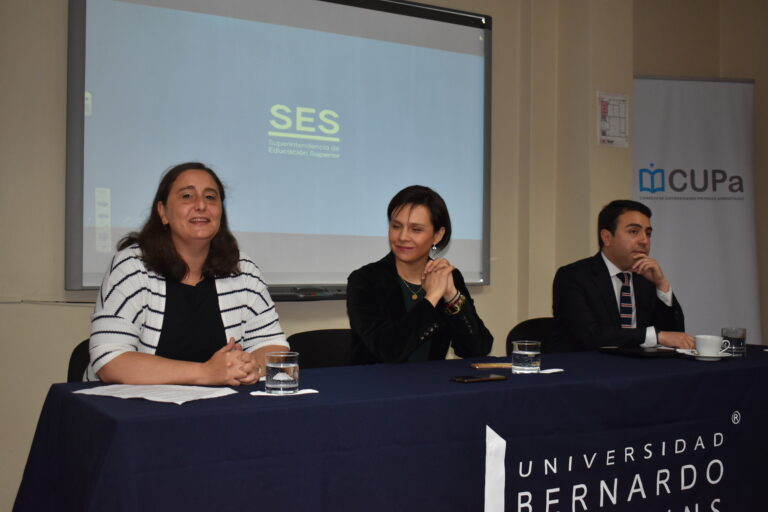
Durante la mañana de este lunes, los planteles integrantes de la Corporación de Universidades Privadas Acreditadas (CUPa), más otras instituciones invitadas, conocieron los avances en la implementación de la Superintendencia de Educación Superior (SES), y los cambios en materia de fiscalización financiera que comienzan a regir producto de la nueva regulación del sector.
“Como Superintendencia hemos asumido la tarea de acercarnos a las distintas instituciones de educación superior para darles cuentas de cuáles han sido nuestros primeros pasos y acompañarlas, en lo que corresponda, para que ajusten sus procesos internos a las nuevas exigencias que establece la ley 21.091”, comentó el jefe de Gabinete de la SES, Juan Claudio Escobar.
Asimismo, “agradecemos la oportunidad que nos brinda CUPa de profundizar en materia de revisión financiera, de vital importancia para todos los actores del sector, y en que el rol de la Superintendencia es contribuir a dar estabilidad al sistema, velando por la sustentabilidad y sostenibilidad de las instituciones de educación superior del país, por una parte, y que éstas destinen sus recursos a los fines que les son propios según la ley y sus estatutos”, señaló Escobar.
En la jornada participaron representantes de 16 casas de estudios superiores, quienes se dieron cita en la Universidad Bernardo O’Higgins.
Sobre el encuentro, Paulina Hidalgo, directora de Desarrollo de la CUPa, comentó que “la Superintendencia de Educación Superior es una entidad necesaria, nosotros siempre lo dijimos, y por lo mismo se valora que se esté haciendo (la implementación) de esta manera: tan abierta, tan acompañada”. Además, indicó que “no ven esta superintendencia como lejana, como una entidad castigadora. Se ve más como una institución que vienen a cumplir la ley, pero de la mano, vamos avanzando en pro de mejorar el sistema y no aparecer como que solo viene a sancionar, sino fundamentalmente a apoyar”.


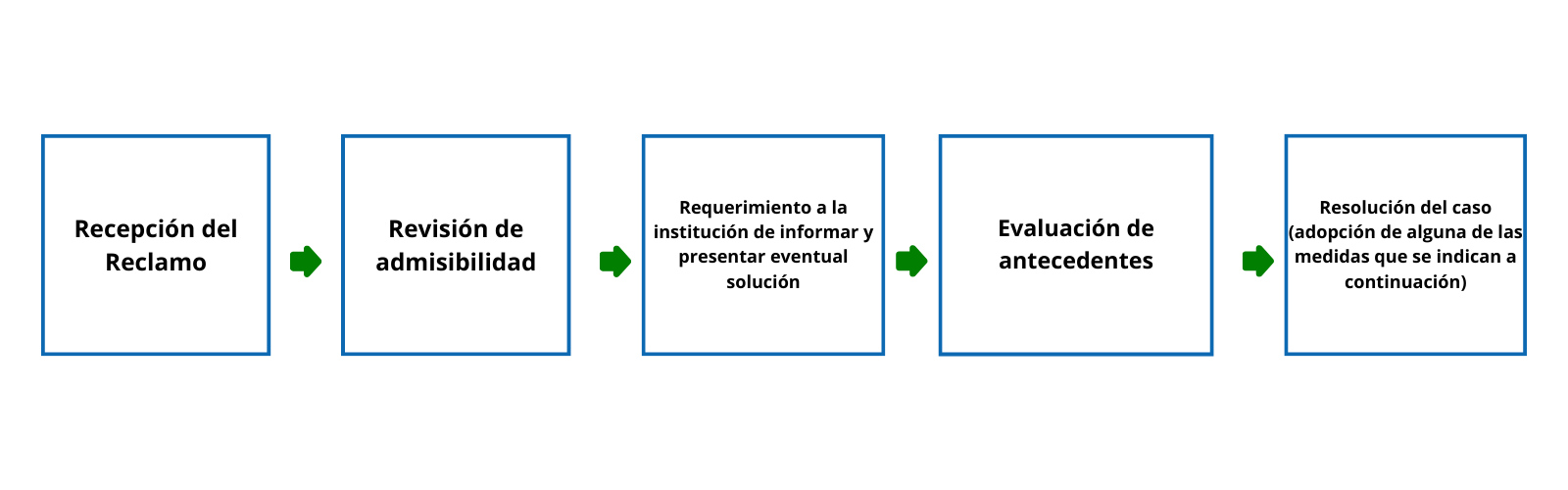
 Obtaining academic background: certificates (notes, a regular student, ranking, recognition of hours, title, grade, and exit), plans and programmes, concentration notes
 Problems in the community institutional arising from violations of the internal regulations of the institutions
 Charges for removal or academic suspension, charging wrong.
 Benefits and/or grants student grants and loans)
 Misleading advertising
 Infrastructure or equipment, laboratories, computer support
 Application and admission selection test
 Comprehensive policy against sexual harassment, violence and gender discrimination


