
El pasado 1 de agosto comenzó a funcionar la Subsecretaría de Educación Superior, entidad perteneciente al Ministerio de Educación, y desde ese momento muchos han confundido las atribuciones que ostenta dicha entidad con las que desarrolla la Superintendencia.
Para entender mejor quién es quién, explicaremos las principales tareas de cada una.
El principal rol de la Subsecretaría es definir las políticas para el sistema de educación superior. Entre éstas destaca el rol que asumirá a partir de 2020, cuando deba administrar el sistema de acceso a la educación superior, lo que hoy conocemos como Sistema Único de Admisión (SUA) a cargo del Cruch. Todo indica que esto se traducirá en cambios al actual modelo y promover la implementación de mecanismos de selección para las instituciones técnico profesional. Además, debe crear una propuesta de Estrategia para el Desarrollo de la Educación Superior a largo plazo, y políticas que incentiven el acceso e inclusión, permanencia y titulación o graduación oportuna de los estudiantes. Junto a ello, propondrá la asignación de los recursos públicos para las IES, y administrará el procedimiento de otorgamiento y revocación del reconocimiento oficial del Estado a las instituciones del nivel terciario.
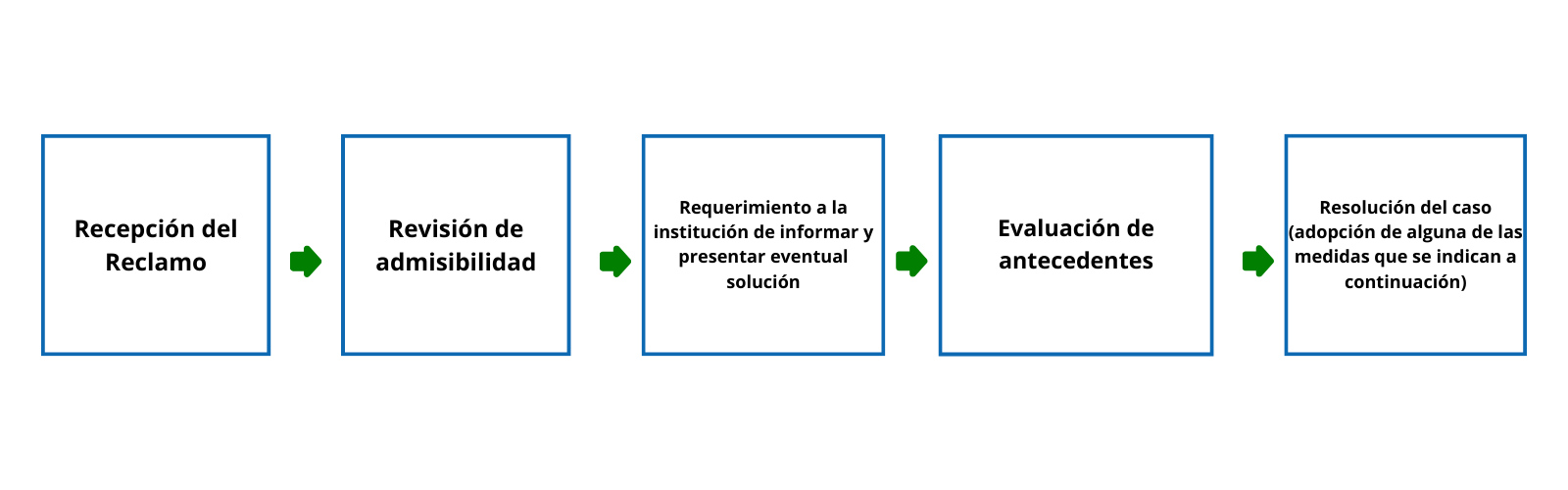
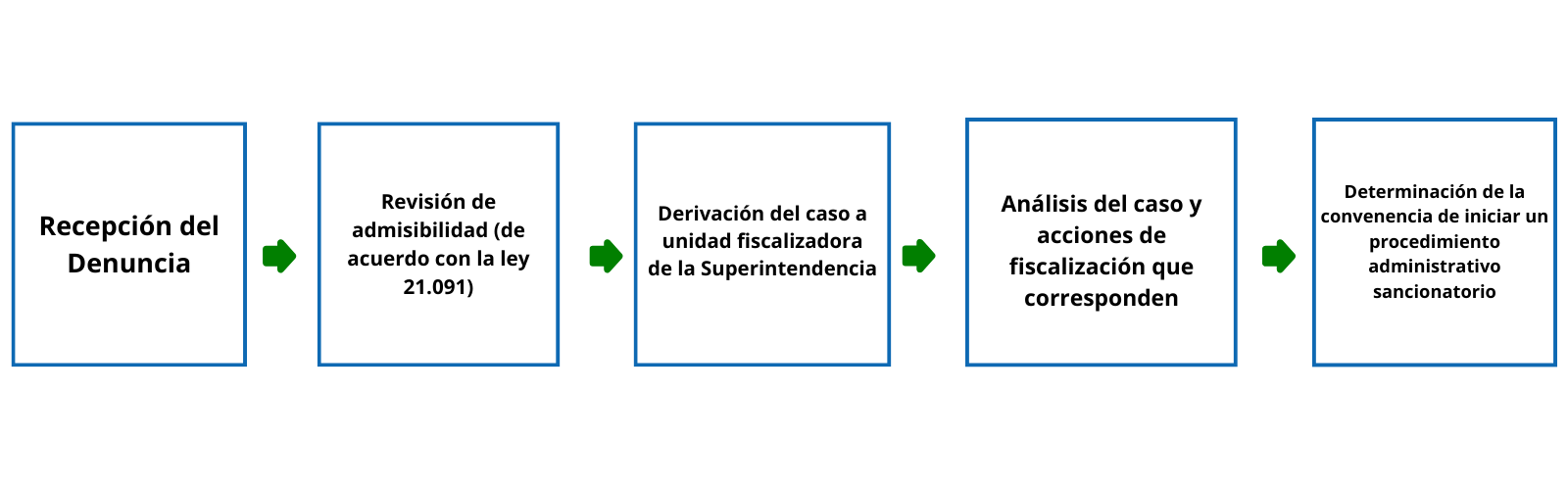
A la Superintendencia de Educación Superior (SES) le corresponde supervigilar y fiscalizar a las instituciones de educación terciarias con el fin de ayudar al fortalecimiento y desarrollo de buenas prácticas de las casas de estudios, y para que ellas cumplan con la ley y destinen sus recursos a los fines que le son propios. De esta manera estamos facultados para investigar y aplicar sanciones si así corresponde. Pero también tenemos un rol social, ya que atendemos reclamos y consultas de la comunidad educativa en su conjunto, siendo nuestro principal foco la mediación entre las partes.
Ya lo sabes, la SES vigila y fiscaliza, mientras la Subsecretaría crea las políticas educativas.


 Obtaining academic background: certificates (notes, a regular student, ranking, recognition of hours, title, grade, and exit), plans and programmes, concentration notes
 Problems in the community institutional arising from violations of the internal regulations of the institutions
 Charges for removal or academic suspension, charging wrong.
 Benefits and/or grants student grants and loans)
 Misleading advertising
 Infrastructure or equipment, laboratories, computer support
 Application and admission selection test
 Comprehensive policy against sexual harassment, violence and gender discrimination


