

Este viernes 6 de mayo la Superintendencia de Educación Superior (SES) celebra tres años de funcionamiento. Creada en el marco de la Ley 21.091 de Educación Superior, la SES es la institución encargada de velar por el buen funcionamiento de todas las universidades, institutos profesionales y centros de formación técnica del país, que sean financieramente sustentables, cumplan con la normativa vigente y destinen sus recursos a los fines que les son propios; asegurando con ello que sus estudiantes reciban el servicio educacional convenido con las instituciones.
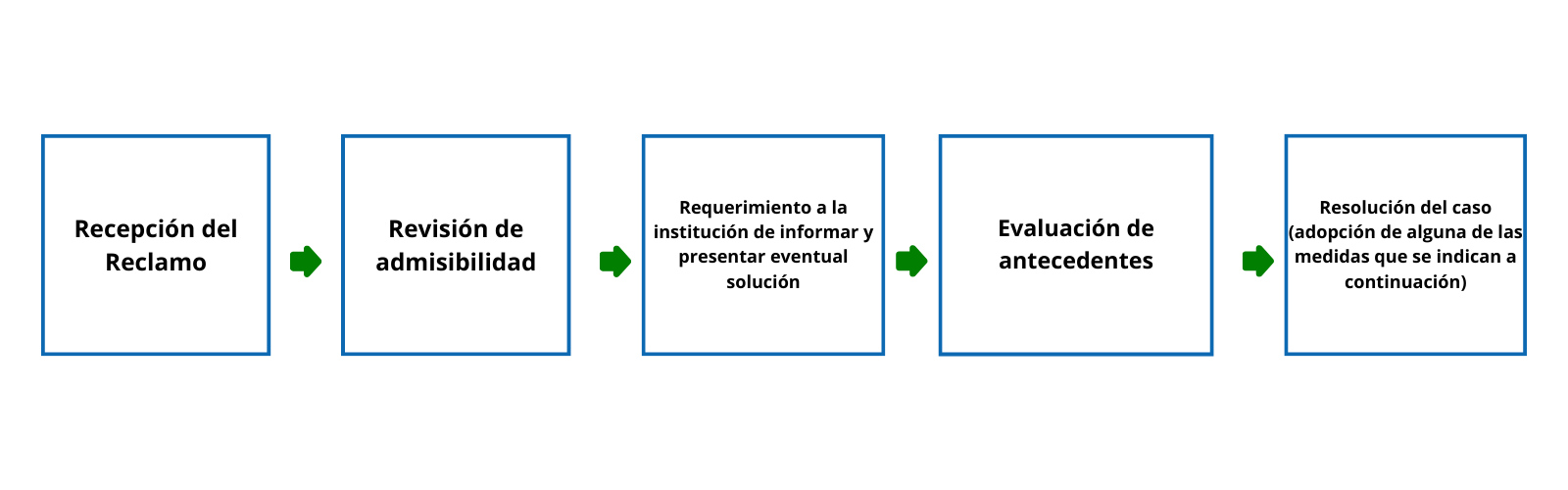
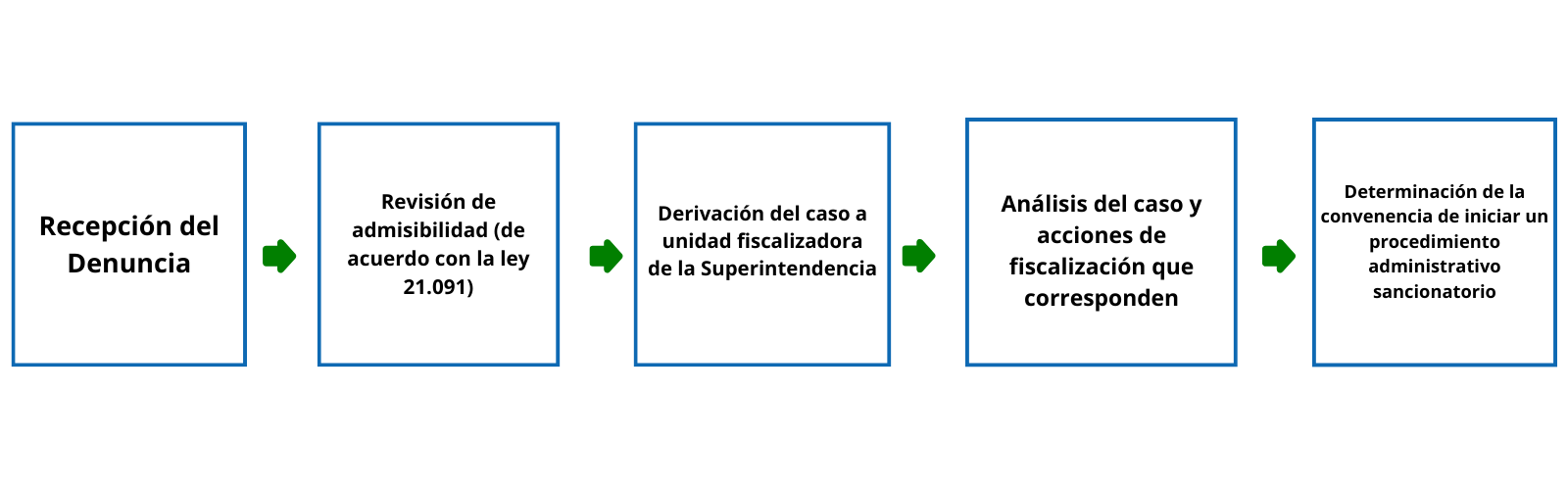
En estos tres años, en materia de atención ciudadana, la SES ha recibido más de 10 mil reclamos y denuncias contra instituciones de educación superior, de los cuales el 60% de los requerimientos declarados admisibles terminó con resultado favorable para los reclamantes, y donde el 70% de los casos fueron presentados por estudiantes.
En cuanto al rol fiscalizador, la SES ha realizado más de 3.600 acciones de supervigilancia, fiscalizando a 126 instituciones e instruyendo investigaciones a 28 casas de estudios. Junto a esto, ha dictado 4 normas de aplicación general y emitido 35 pronunciamiento frente a consultas interpuestas por distintas casas de estudios.
Uno de sus tres ejes orientadores es aumentar la confianza entre los distintos actores del sistema, a través de la transparencia de la información de los planteles educativos, lo que se ha traducido en la publicación anual de los estados financieros de las distintas casas de estudios y la creación del primer registro público de sanciones a planteles académicos, información relevante del sistema de educación superior que se pone a disposición de la ciudadanía para la toma de decisiones.
En septiembre de 2019, a tres meses de su inauguración, la SES participó en la primera reunión del Comité Coordinador del Sistema Nacional de Aseguramiento de la Calidad de la Educación Superior (Sinaces), integrado además por el Ministerio de Educación, a través de la Subsecretaría de Educación Superior; el Consejo Nacional de Educación (CNED) y la Comisión Nacional de Acreditación (CNA).
Además de su sitio web www.sesuperior.cl, la SES está presente en las redes sociales a través de Twitter, Instagram y Facebook, espacios donde interactúa especialmente con los y las estudiantes del país. ¡Los invitamos a seguirnos!


 Obtaining academic background: certificates (notes, a regular student, ranking, recognition of hours, title, grade, and exit), plans and programmes, concentration notes
 Problems in the community institutional arising from violations of the internal regulations of the institutions
 Charges for removal or academic suspension, charging wrong.
 Benefits and/or grants student grants and loans)
 Misleading advertising
 Infrastructure or equipment, laboratories, computer support
 Application and admission selection test
 Comprehensive policy against sexual harassment, violence and gender discrimination


