
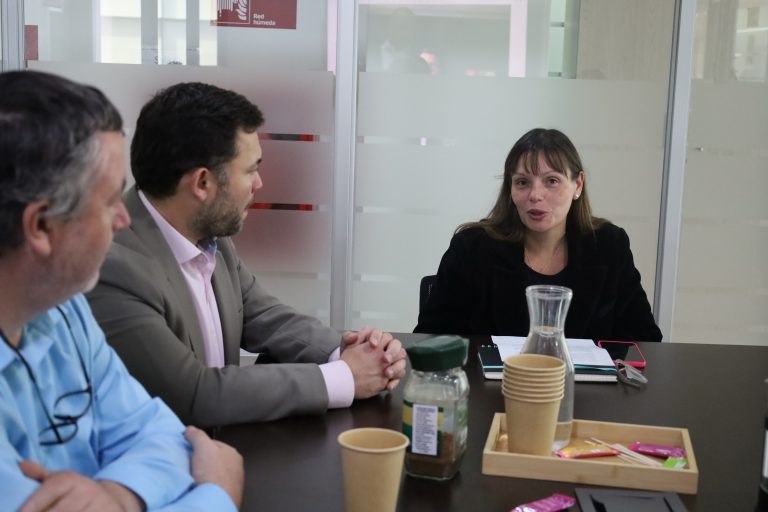
In the framework of its third session, the Superintendent of Higher Education (acting), Daniela Poblete, delivered the institution's official greeting to the members of the first Civil Society Council (COSOC) of the Superintendence of Higher Education (SES), marking a new milestone in the consolidation of this participation space.
During his speech, the authority highlighted the importance of forming this council, noting that “the formation of this space was an outstanding challenge for our Service, and today we can say it is a reality. Its integration not only strengthens our institutional framework but also allows us to establish a direct channel of dialogue with the different communities that are part of the system, enriching citizen participation processes.”.
The SES Civil Society Advisory Council (COSOC) is established as a consultative body that allows for the incorporation of the civil society's perspective into institutional work, thereby strengthening transparency, connection with the community, and the quality of public decisions.
The Council is comprised of representatives from various organizations and stakeholders in the system.
- Reiner Hollander, President and Representative of the Academics
- Leopoldo Ramirez Alarcon, civil society representative
- Camilo Peña Ramírez, representative of the academics
- Jonás Chnaiderman, representative of the academics
- Miguel Oyarzun, Representative of higher education officials
- Bastías Becker, student representative
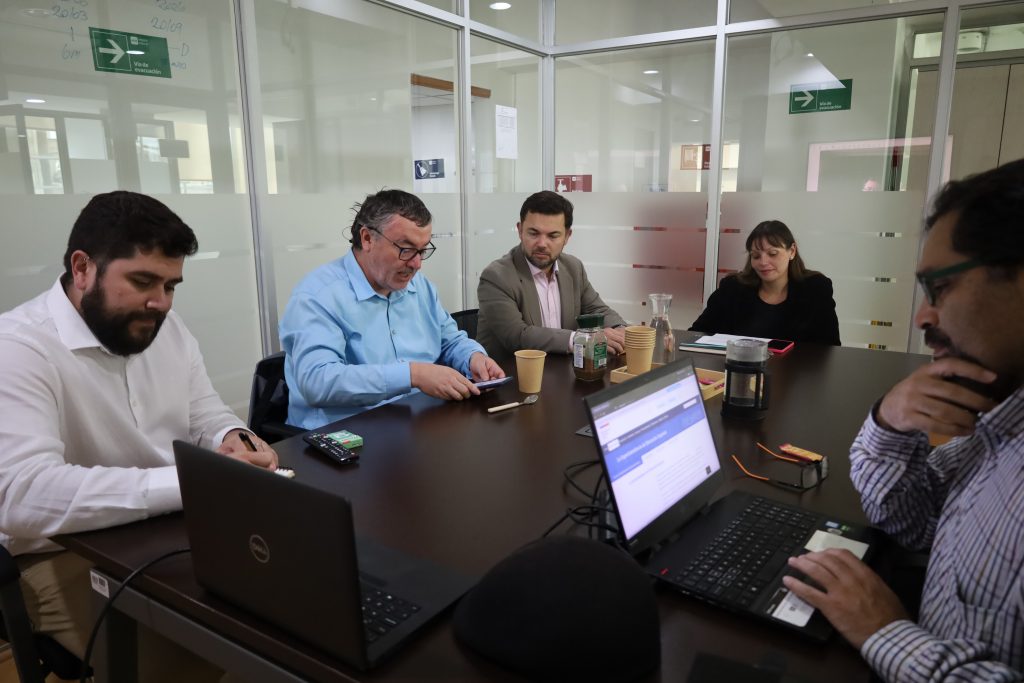
In this third session, its members continued to advance in the development of their work agenda, in a space of open dialogue that has allowed for the collection of different perspectives and experiences related to the higher education system.
Finally, the superintendent (s) announced that soon “we will carry out a new call to fill the remaining available positions and thus further strengthen this space. We hope that this Council will be an instance of collaborative work, allowing us to gather diverse perspectives and jointly advance in strengthening the higher education system.”.


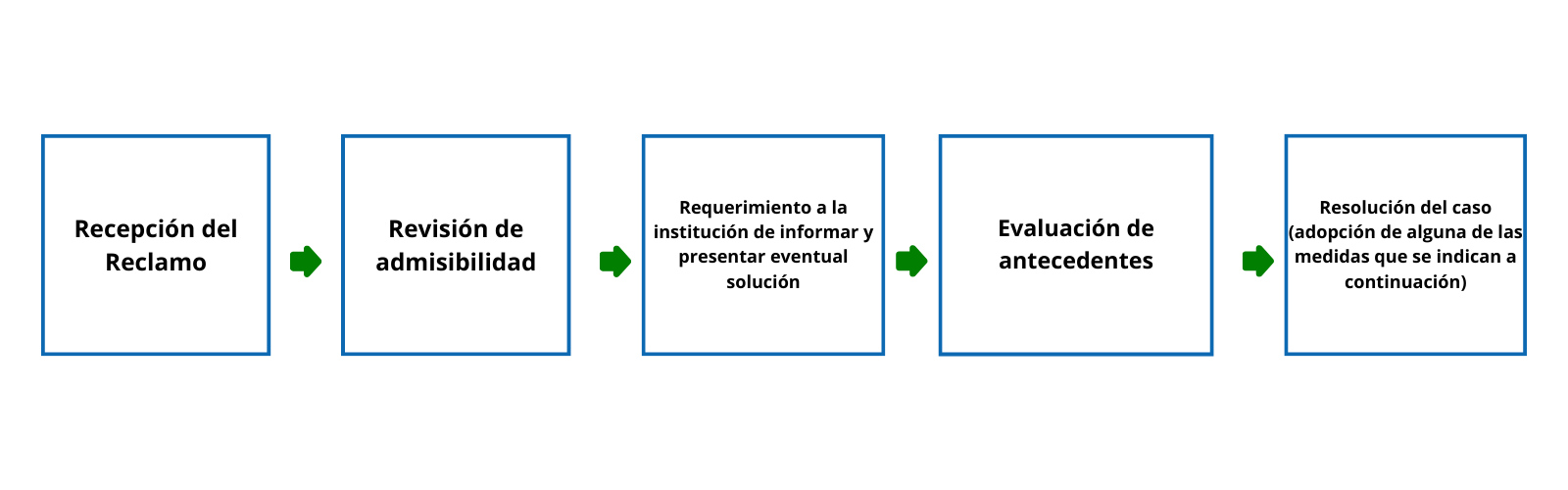
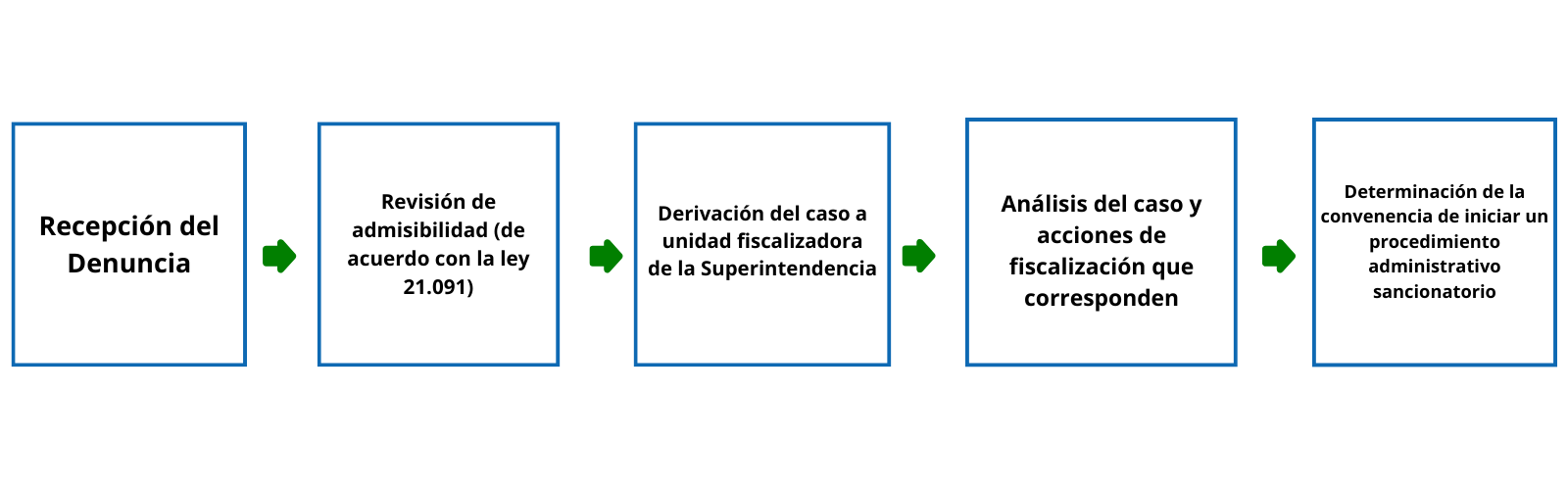
 Obtaining academic background: certificates (notes, a regular student, ranking, recognition of hours, title, grade, and exit), plans and programmes, concentration notes
 Problems in the community institutional arising from violations of the internal regulations of the institutions
 Charges for removal or academic suspension, charging wrong.
 Benefits and/or grants student grants and loans)
 Misleading advertising
 Infrastructure or equipment, laboratories, computer support
 Application and admission selection test
 Comprehensive policy against sexual harassment, violence and gender discrimination


