
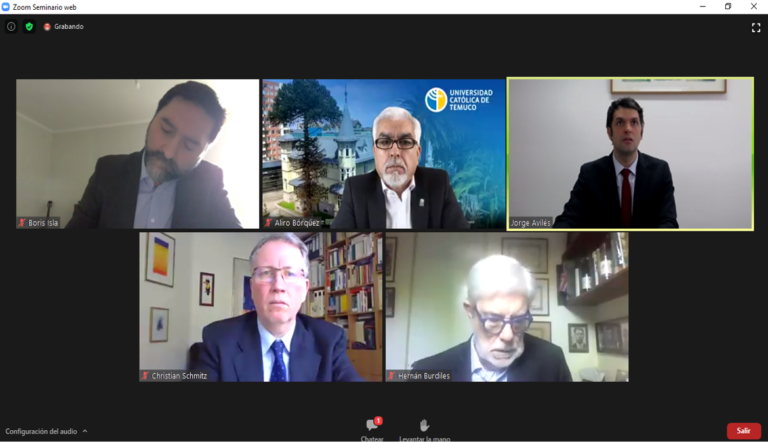
La Red de Universidades Públicas no Estatales del Consejo de Rectores de Chile (RedG9), junto a la Universidad Católica de Temuco, abrió este miércoles su ciclo de seminarios virtuales titulado “Calidad en tiempos de incertidumbre”, con las exposiciones del Superintendente de Educación Superior (SES), Jorge Avilés, y el presidente de la Comisión Nacional de Acreditación (CNA), Hernán Burdiles, en una jornada que convocó a una asistencia en línea que superó las 440 personas.
En esta primera jornada, que contó con los saludos del rector de la Universidad Católica de Temuco, Aliro Bórquez, y del vicepresidente Red Universitaria G9 y rector de la Universidad Católica de la Santísima Concepción, Cristian Schmitz, las exposiciones se enfocaron en el marco normativo de aseguramiento de la calidad en educación superior. En esa línea, el jefe de la SES comentó que la entrada en vigor de un nuevo marco regulatorio marcó también el inicio de funciones de la Superintendencia de Educación Superior, que tiene como principales tareas supervisar la sustentabilidad financiera de las casas de estudio, supervigilar el cumplimiento normativo, la gestión de reclamos y denuncias que surjan desde los distintos actores del sistema, además de la transparencia de la información, al obtener y recopilar antecedentes relevantes para ponerlos de manera oportuna a disposición de la ciudadanía.
“En poco más de un año de funcionamiento hemos compatibilizado las tareas de implementación de este servicio con el ejercicio de nuestras funciones de supervigilancia y fiscalización de las instituciones de educación superior”, remarcó Avilés.
Respecto al rol que ha cumplido la SES durante la emergencia sanitaria, el superintendente destacó la permanente solicitud de información a las instituciones de educación superior, la dictación de la circular que exigió a las casas de estudio la continuidad en la entrega del servicio educacional y la aplicación de un Plan Especial de Fiscalización a 45 instituciones para evaluar cómo adaptaron sus modelos de trabajo y de enseñanza, en el contexto del COVID-19. En esta materia, remarcó que la expectativa en el corto y mediano plazo es que “a medida que vaya disminuyendo la irresistibilidad impuesta por la emergencia, las instituciones puedan ir avanzando en normalizar la impartición de la educación”. El superintendente remarcó que “a diferencia del sistema escolar, en la educación superior son las casas de estudios las responsables de adoptar las medidas para ir volviendo a la normalidad, en virtud de su autonomía y en atención de sus realidades particulares”.
Avilés enfatizó que para definir la reanudación de actividades presenciales, las instituciones de educación superior deben considerar aspectos fundamentales, como es el estricto apego a los lineamientos establecidos por la autoridad sanitaria, que el retorno se desarrolle de manera planificada, gradual, con flexibilidad ante las condiciones que vaya imponiendo la pandemia y de manera voluntaria para los estudiantes.
La Red G9 junto a la Universidad Católica de Temuco han previsto otros dos encuentros fijados para el 14 y 22 de octubre. (ver información)


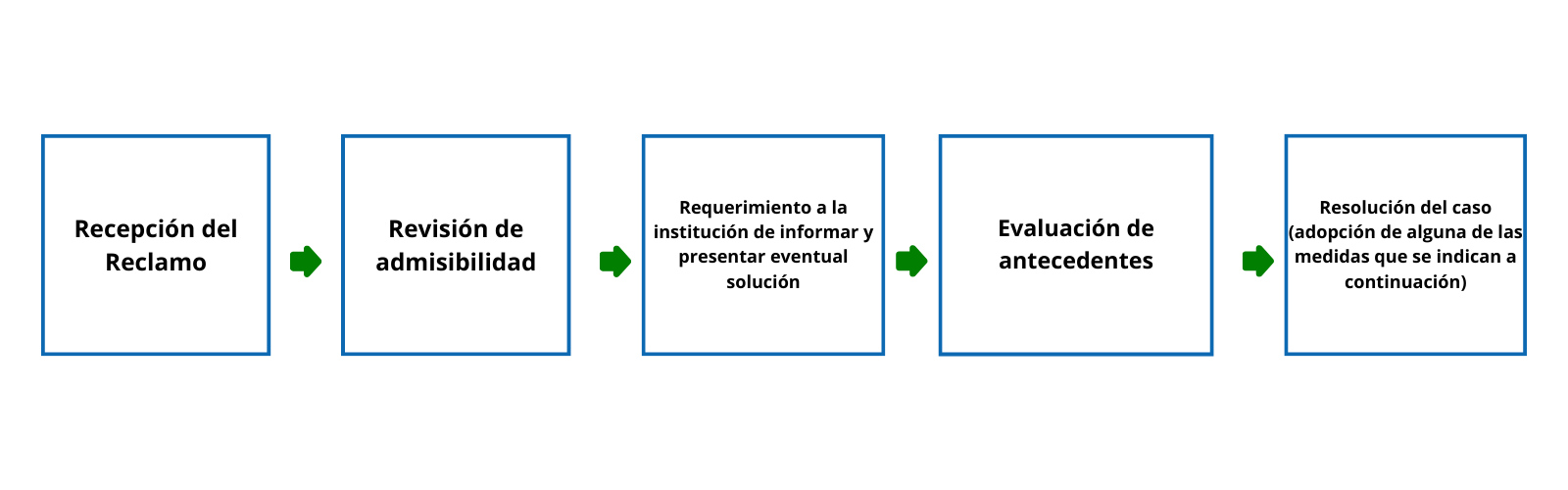
 Obtaining academic background: certificates (notes, a regular student, ranking, recognition of hours, title, grade, and exit), plans and programmes, concentration notes
 Problems in the community institutional arising from violations of the internal regulations of the institutions
 Charges for removal or academic suspension, charging wrong.
 Benefits and/or grants student grants and loans)
 Misleading advertising
 Infrastructure or equipment, laboratories, computer support
 Application and admission selection test
 Comprehensive policy against sexual harassment, violence and gender discrimination


