

This Monday, September 30, the first meeting of the Coordinating Committee of the National System for Quality Assurance in Higher Education (Sinaces) was held. The committee is comprised of the Ministry of Education, through the Undersecretariat of Higher Education, which presides over the body; the National Education Council (CNED); the National Accreditation Commission (CNA); and the Superintendency of Higher Education (SES).
This committee will allow for the coordination of the work of these institutions to improve the quality of education provided by the country's universities, professional institutes, and technical training centers, where 1,268,510 undergraduate and postgraduate students are currently studying.
“Today, the Coordinating Committee of the National System for Quality Assurance in Higher Education (Sinaces) was established, which is part of the new framework established by Law 21.091. This opens a fundamental space for all public bodies that govern the Higher Education System, namely the Undersecretariat of Higher Education, the National Education Council, the National Accreditation Commission, and the Superintendency of Higher Education, to coordinate their actions, participate jointly in the development of the Coordination Plan for the Improvement of the Quality of Higher Education, and establish commitments to support the development and growth of the country's higher education system,” stated Superintendent Jorge Avilés.
Regarding Sinaces“ contribution to the educational community, Juan Eduardo Vargas, Undersecretary of Higher Education and chairman of the committee, stated that ”anything that implies an improvement in the quality of higher education institutions benefits the students themselves, and there are a series of aspects related to the institutions and the system's information that will undoubtedly also impact students, and that is welcome.".
For his part, the president of the National Accreditation Commission (CNA), Hernán Burdiles, commented that “the committee is fundamental, it is a crucial part of the new ordering of the Quality Assurance System for Higher Education, and I am very hopeful about the good functioning it will have and the good results it will give us. There are many important and manageable tasks to accomplish.”.
Attributions of the Coordination Committee:
- To ensure the coordination of member organizations in their relationship with higher education institutions.
- To interact with the National Accreditation Commission on matters within its purview, including the development of quality criteria and standards.
- Establish and coordinate mechanisms for information exchange between the organs that make up the System and higher education institutions.
- Establish a Coordination Plan for the Improvement of Higher Education Quality, which will include, at a minimum, the System's commitments and objectives, the necessary actions to achieve them, and the identification of areas requiring special coordination.
- Promote consistency between the criteria and standards defined for accreditation processes and the regulations governing licensing, as well as all other regulations in the higher education sector.


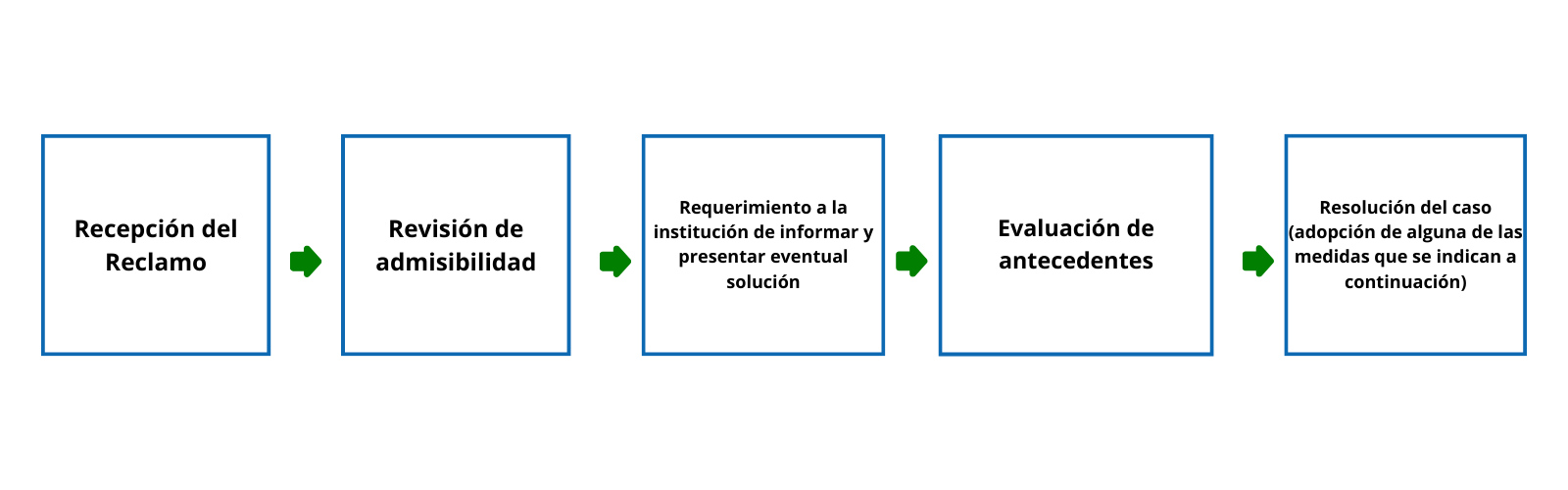
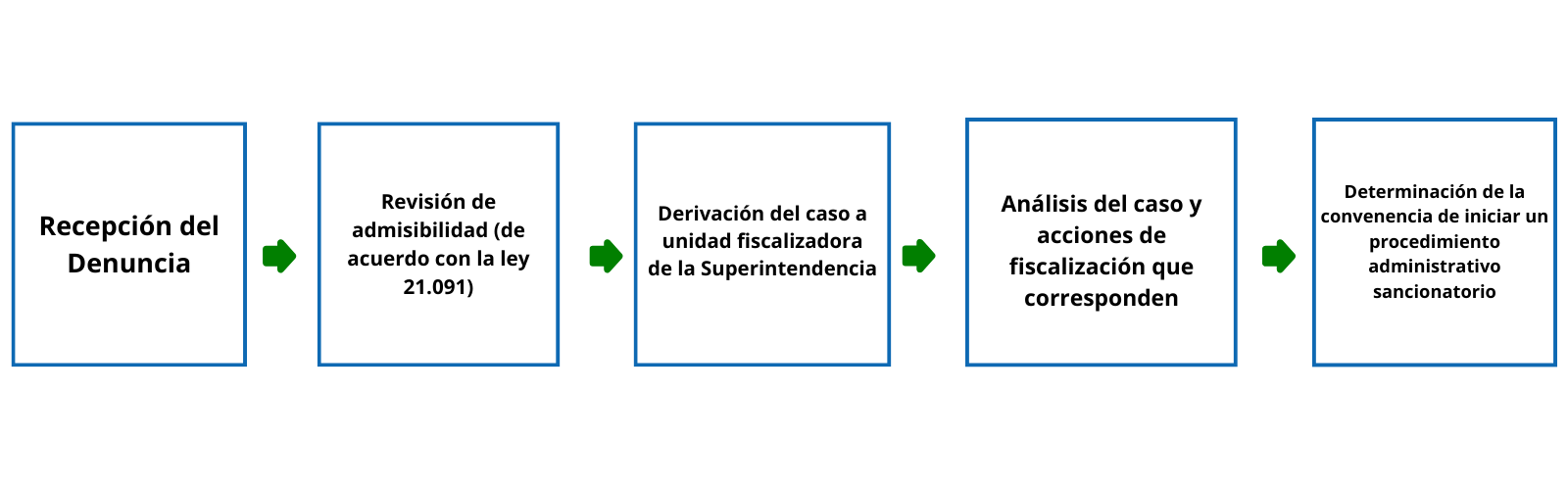
 Obtaining academic background: certificates (notes, a regular student, ranking, recognition of hours, title, grade, and exit), plans and programmes, concentration notes
 Problems in the community institutional arising from violations of the internal regulations of the institutions
 Charges for removal or academic suspension, charging wrong.
 Benefits and/or grants student grants and loans)
 Misleading advertising
 Infrastructure or equipment, laboratories, computer support
 Application and admission selection test
 Comprehensive policy against sexual harassment, violence and gender discrimination


