



Presentación
La Superintendencia de Educación Superior pone a disposición del público la propuesta de norma que busca regular la obligación de informar de las instituciones de educación superior, con la finalidad de recibir observaciones y sugerencias.
Esta propuesta tiene por objeto precisar la forma, medios y plazos que regirán la entrega y registro de la información que las universidades, institutos profesionales y centros de formación técnica deben proporcionar a esta Superintendencia en conformidad con la ley.
Objetivo del período de información pública
Para la Superintendencia de Educación Superior es fundamental dar a conocer a la ciudadanía esta propuesta normativa y recoger su opinión y aportes respecto de su pertinencia, contenido e impacto.
Plazo para participar
Agradecemos la contribución de quienes tomen parte en esta instancia de participación, la que estará disponible en este sitio web hasta el viernes 13 de marzo de 2020.
¿Quiénes pueden participar?
Durante este período, cualquier persona natural o jurídica podrá examinar la propuesta de norma y formular, por escrito, las observaciones que estime pertinentes.
¿Cómo participar?
Para participar en el proceso, se deberá completar el formulario habilitado en este sitio web. Los datos personales solicitados en el formulario tienen por finalidad dar retroalimentación a los participantes y obtener estadísticas sobre el proceso de información pública. La Superintendencia usará esos datos únicamente con los fines señalados y no los comunicará a terceros.
Retroalimentación
Las opiniones y aportes que se reciban en el marco de este período de información pública serán procesados por la Superintendencia, la que publicará en su sitio web un informe con el resultado del proceso.
Quedarán excluidas aquellas observaciones que no guarden relación directa con la propuesta de norma o que sean planteadas en un lenguaje ofensivo, difamatorio o discriminador.


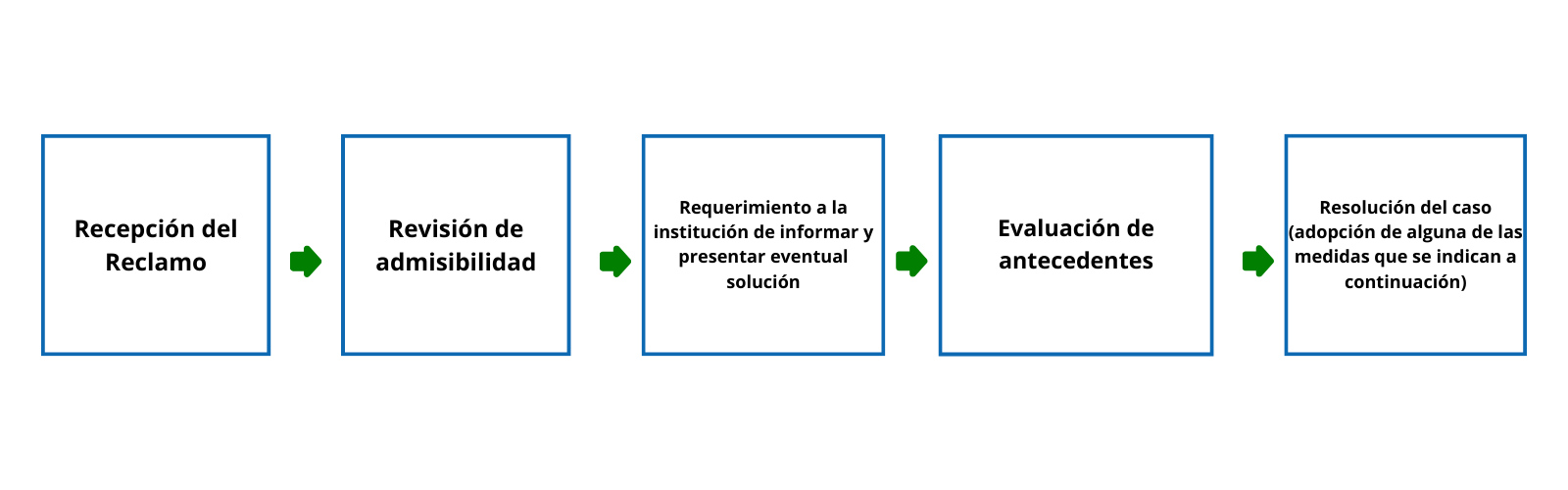
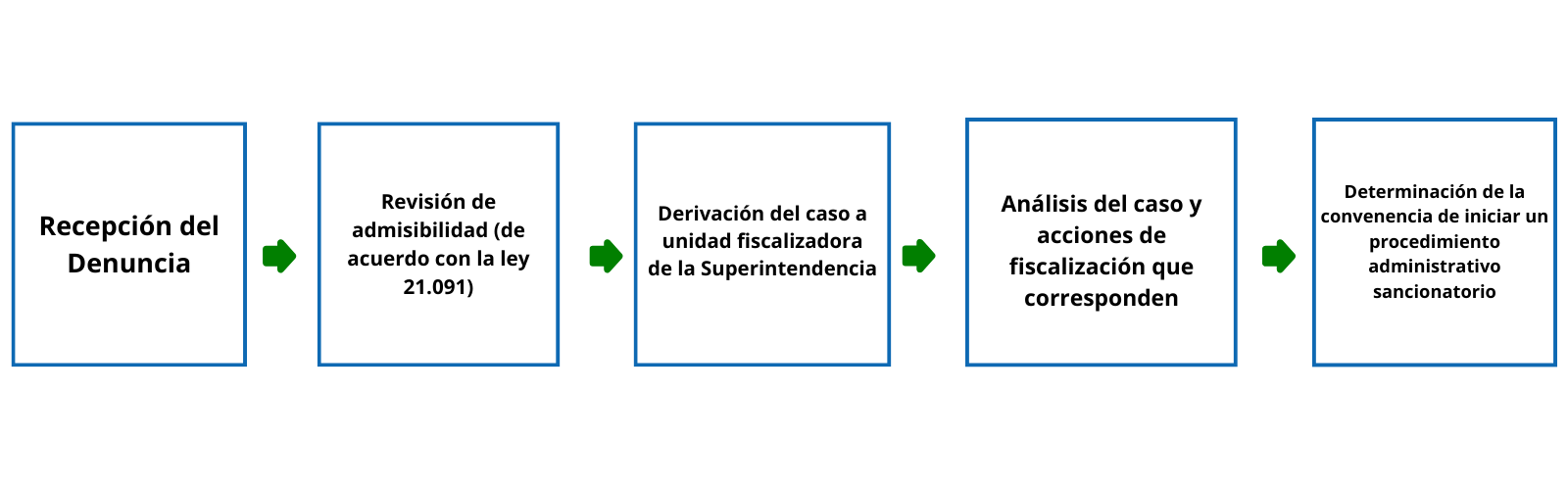
 Obtaining academic background: certificates (notes, a regular student, ranking, recognition of hours, title, grade, and exit), plans and programmes, concentration notes
 Problems in the community institutional arising from violations of the internal regulations of the institutions
 Charges for removal or academic suspension, charging wrong.
 Benefits and/or grants student grants and loans)
 Misleading advertising
 Infrastructure or equipment, laboratories, computer support
 Application and admission selection test
 Comprehensive policy against sexual harassment, violence and gender discrimination


