

One of the main innovations brought about by the creation of the superintendency is that for the first time, the country has a supervisory body for the higher education system. This body includes, among its tasks, efficiently and promptly receiving and managing complaints, claims, and requests for information from members of educational communities, with the objective of contributing to safeguarding their rights and resolving disputes that arise between them.
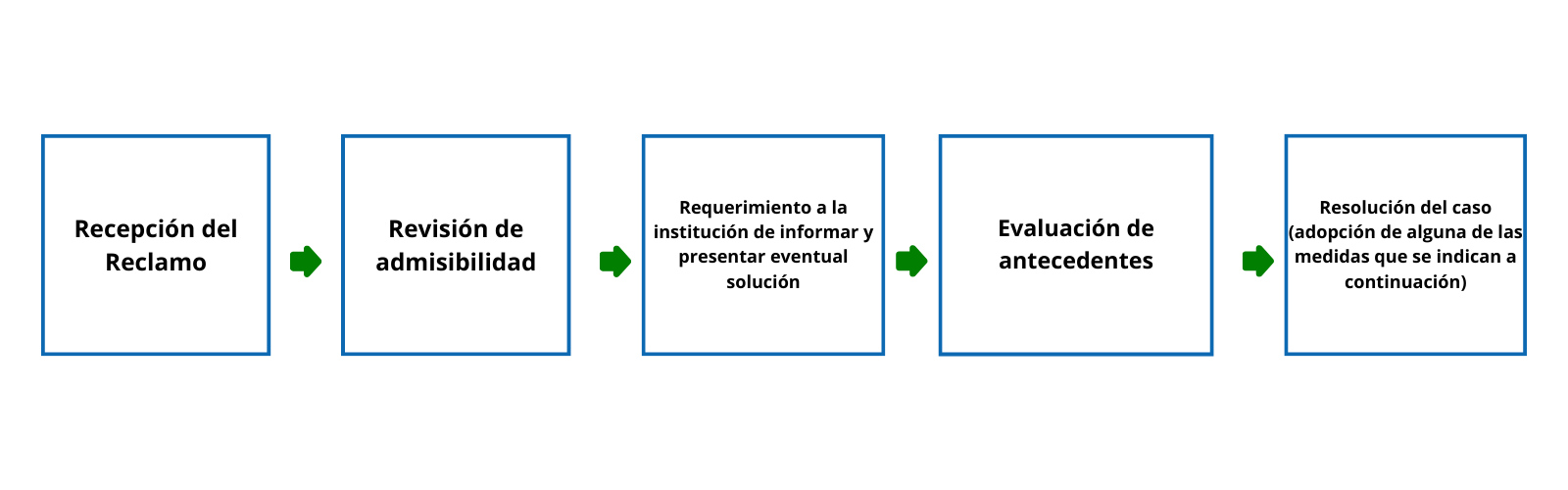
For this purpose, the Superintendency implemented on its website www.sesuperior.cl A digital platform for citizen attention, which allows users to submit claims and complaints against higher education institutions and track the progress of the process, verifying online the steps that have been executed. In this way, we have established a processing standard that prioritizes efficiency and transparency, for both users and educational institutions.
Furthermore, this platform allows us - as a regulatory body - to have a valuable source of information for making better, evidence-based decisions, while also enabling us to process and incorporate this information towards the transformation of the educational system. This seeks to guide and incentivize the development of good practices that will lead higher education institutions in the country to better respond to the needs and challenges of citizens.
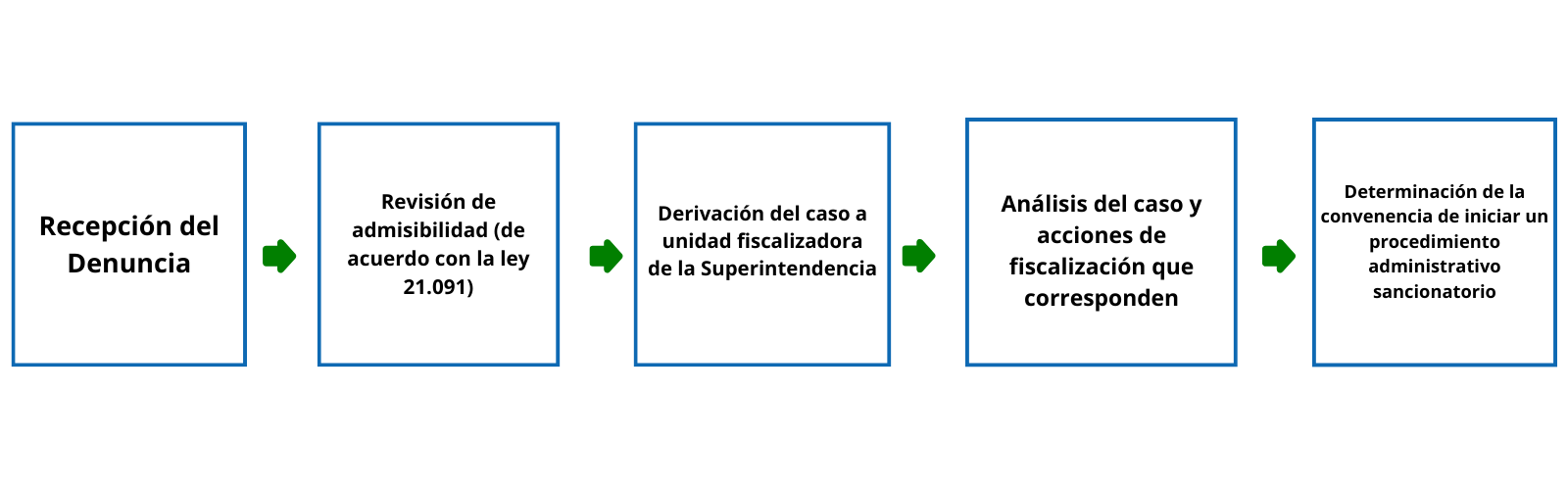
As a superintendency, we have defined that all our management efforts in this matter must initially promote our mediating role, whether this process is carried out through the platform or through a formal mediation process. The idea, therefore, is that sanctioning powers should only be used in cases where, in the presence of an infraction, the institution does not provide a solution to the claimant. We are convinced that the mediation power is a very effective tool in conflict resolution and allows us to simplify processes that can demand a great deal of time and energy from everyone involved.
In this first year of management, our Citizen Assistance Department has received a total of 2,365 submissions, a number we consider significant given our brief existence. Of the cases processed, 57% ended with a favorable resolution for the user as a result of the SES's efforts and mediations, which is very good news for our system.
Regarding the most recurrent themes in claims and complaints, it should be noted that the largest number of these relate to administrative problems in institutions, reaching a figure close to 38%; matters related to erroneous charges and other financing issues, in 28%of them; and conflicts arising from academic matters, in 26% of the cases. In particular, the main issues have been non-compliance with internal regulations or commitments made with students; accusations of irregularities or internal disorder; problems with student benefits; incorrect charges or undue conditions for student debts; unagreed curricular changes; harassment of students; strikes and occupations; among others.
En cuanto a la distribución geográfica de los casos recibidos, de acuerdo a la ubicación de la sede en cuestión, el 57,7% del total de las presentaciones proviene de instituciones de educación superior de la Región Metropolitana. Le siguen las regiones de Valparaíso con un 10,6% y del Biobío y del Maule, ambos con un 5,8%. Por su parte, cabe destacar que cerca de un 60% de los casos presentados fueron dirigidos a planteles universitarios, un 30,5% a institutos profesionales y un 9,5% a centros de formación técnica.
Focusing our work on the final beneficiaries of the system also required us to open various channels of communication with the public, and in that regard, we are very aware of the importance social networks hold as mass media. For that reason, since June 20th, we have had a presence on Facebook y Twitter, and we recently joined Instagram, accounts that were added to our site www.sesuperior.cl in the ongoing task of dissemination, opening up active spaces for interaction with our users and effective channels of support for the different service units.
Chapters
Message – Startup – Quality – Confidence – Focus on People


 Obtaining academic background: certificates (notes, a regular student, ranking, recognition of hours, title, grade, and exit), plans and programmes, concentration notes
 Problems in the community institutional arising from violations of the internal regulations of the institutions
 Charges for removal or academic suspension, charging wrong.
 Benefits and/or grants student grants and loans)
 Misleading advertising
 Infrastructure or equipment, laboratories, computer support
 Application and admission selection test
 Comprehensive policy against sexual harassment, violence and gender discrimination


