
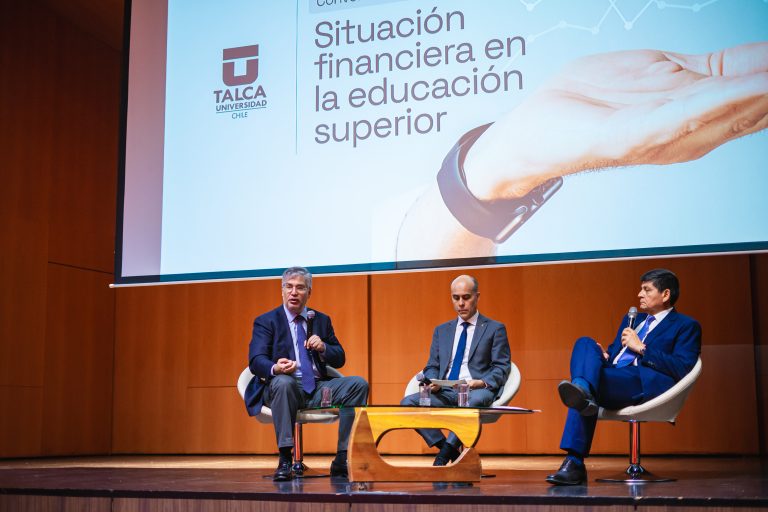
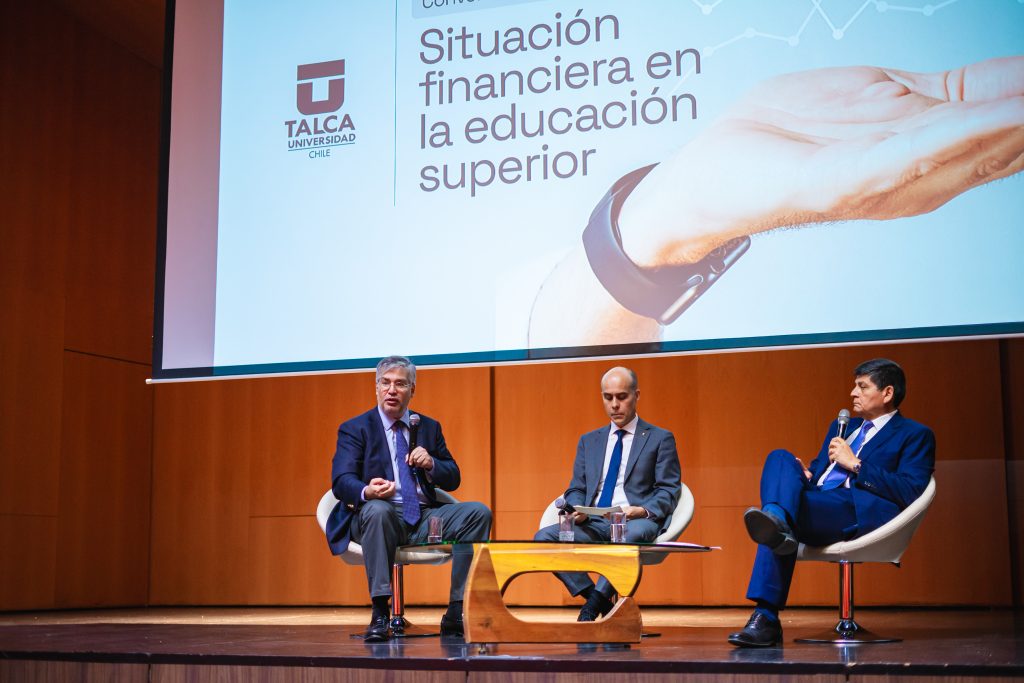
The Superintendence of Higher Education (SES) dio inicio a una serie de reuniones con instituciones de educación superior para compartir y analizar, de manera personalizada, los principales hallazgos del Segundo Informe de Salud Financiera de la Educación Superior en Chile, publicado a fines del año pasado.
El primer encuentro se llevó a cabo en la University of Talca, donde el superintendente de Educación Superior, José Miguel Salazar, acompañado por profesionales del Departamento de Datos, Información y Reportes de la División de Atención Ciudadana de la SES, presentó a las autoridades de la universidad, encabezados por su rector, Carlos Torres, y representantes de la comunidad académica los resultados generales del informe y los indicadores clave de la gestión financiera de U de Talca durante la última década.
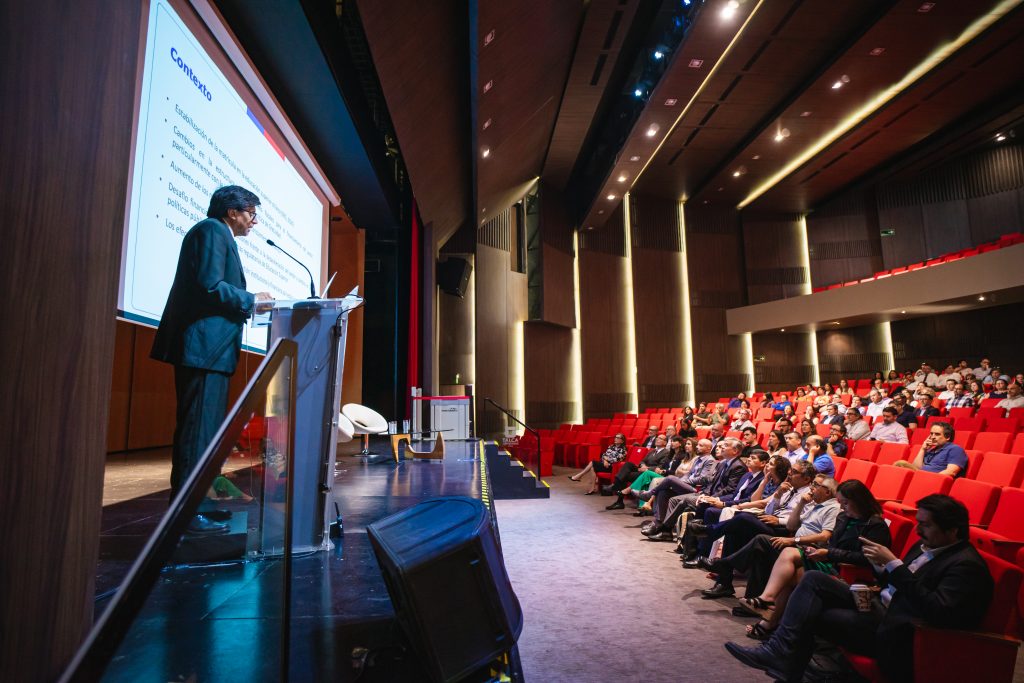
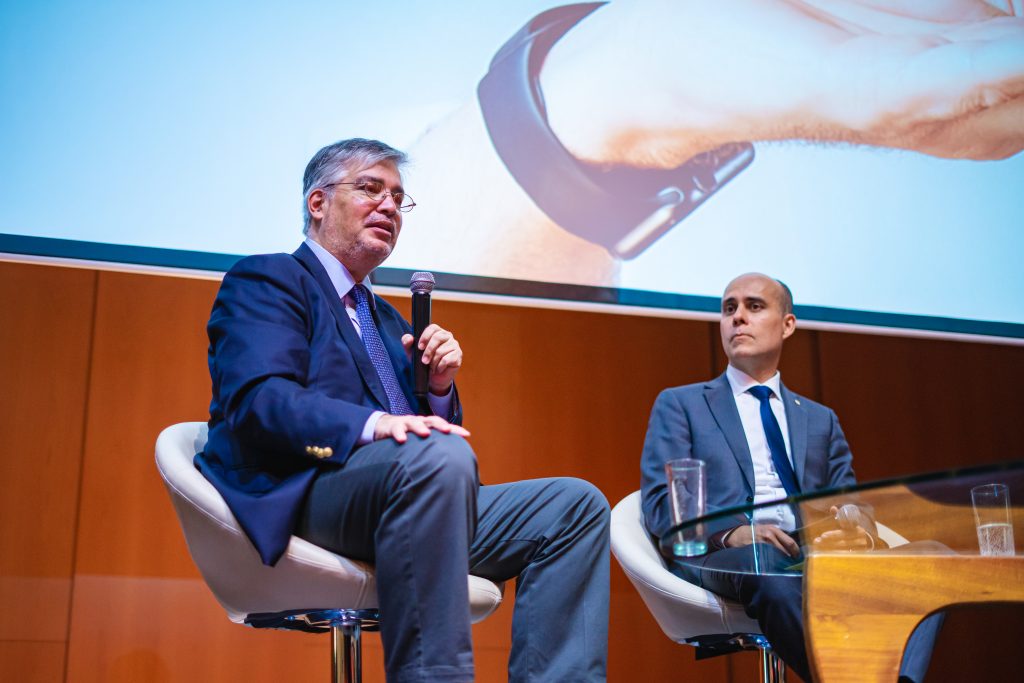
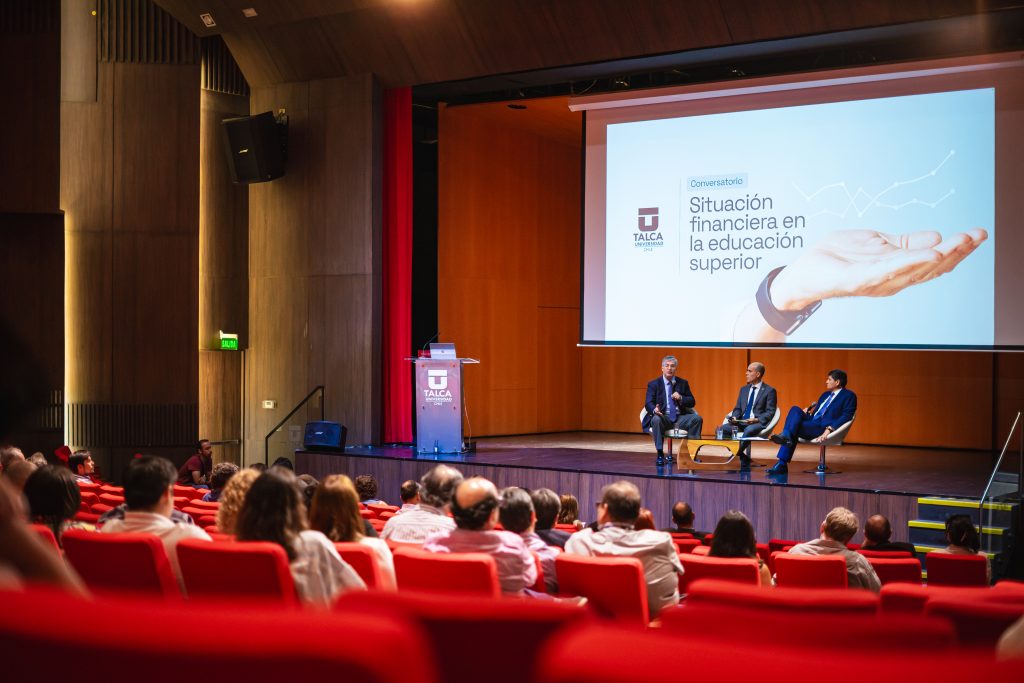
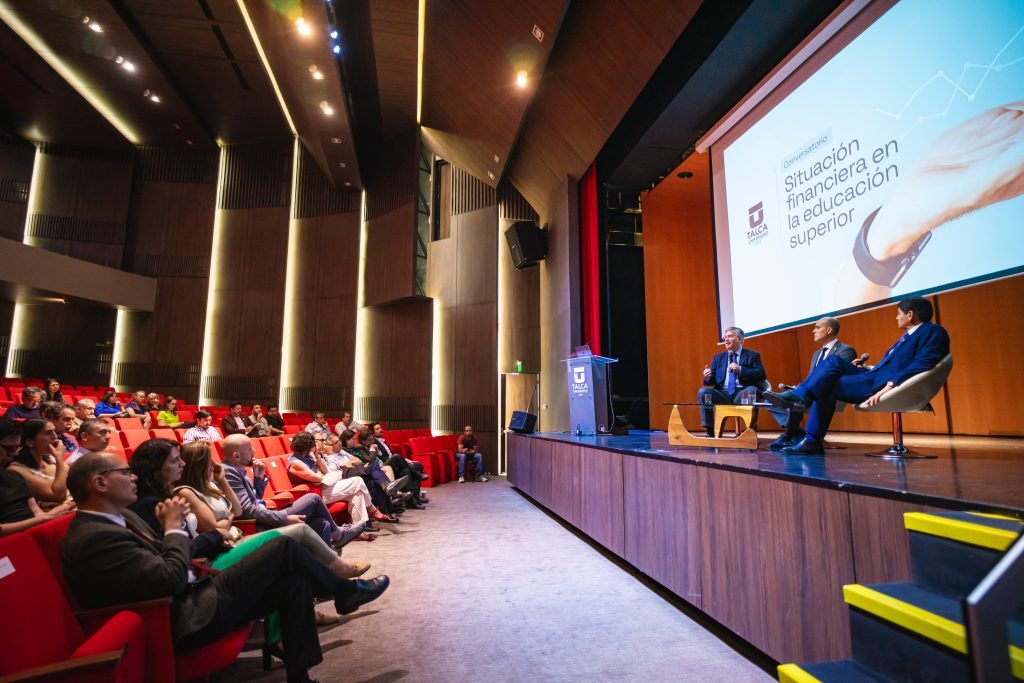
En su intervención, el superintendente destacó la importancia del análisis longitudinal realizado por la SES, que evalúa el desempeño financiero de las instituciones en los últimos 10 años. “Este estudio nos permite identificar patrones de riesgo financiero y ajustar nuestros procesos de supervisión, además de brindar apoyo específico a aquellas instituciones que lo necesiten”, señaló Salazar.
El informe reveló que, en términos generales, el sector presenta una buena salud financiera.
“La educación superior en Chile funciona de manera razonable, utiliza sus recursos eficientemente y contribuye significativamente al desarrollo nacional y regional”, José Miguel Salazar.
No obstante, el estudio también identificó un grupo reducido de instituciones con desafíos financieros, que en conjunto representan el 4,6% de la matrícula total del sistema. “Estamos trabajando estrechamente con estas instituciones para establecer compromisos concretos que permitan abordar y resolver estos desafíos, asegurando que estas mejoras se mantengan en el tiempo”, concluyó Salazar.
The rector de la Universidad de Talca, Carlos Torres, valoró el encuentro con el superintendente Salazar.
“Es importante este informe de la superintendencia porque de alguna manera hace un benchmarking de las universidades respecto a las demás y eso nos permite a nosotros también ver la salud financiera que tiene nuestra institución, ver también cuáles son aquellos elementos los cuales podemos mejorar, por cierto, y también verificar cuáles son aquellos elementos donde vemos escenarios de riesgo futuro, donde tenemos que ser cautos y tenemos que tomar medidas en el presente para enfrentar los desafíos del futuro”.


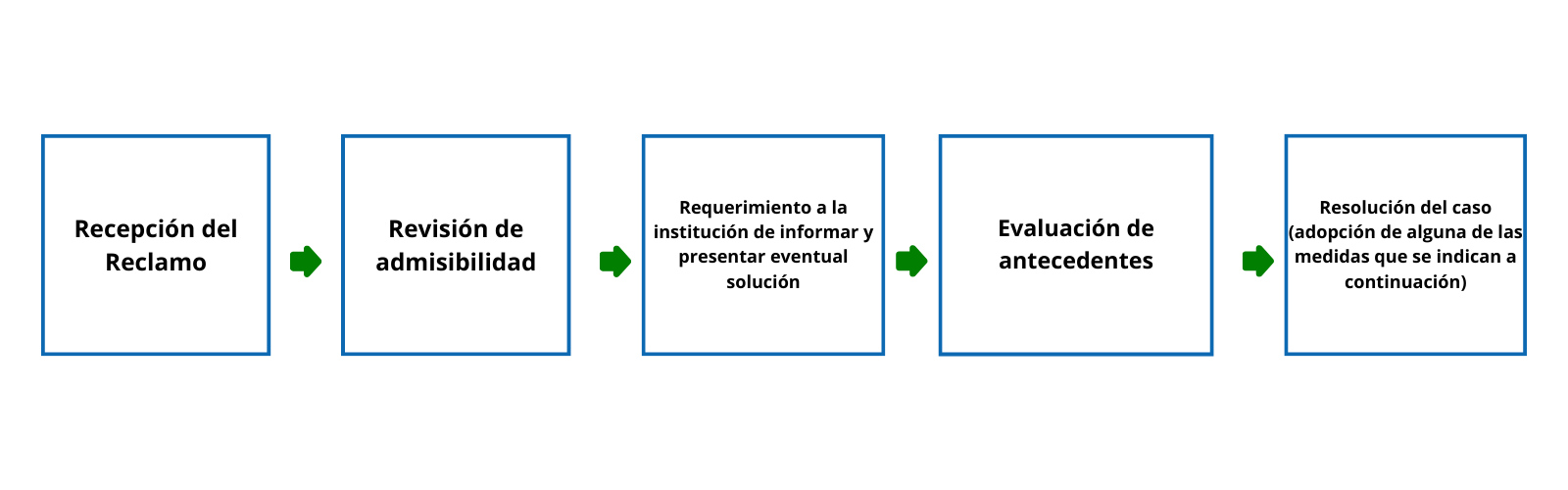
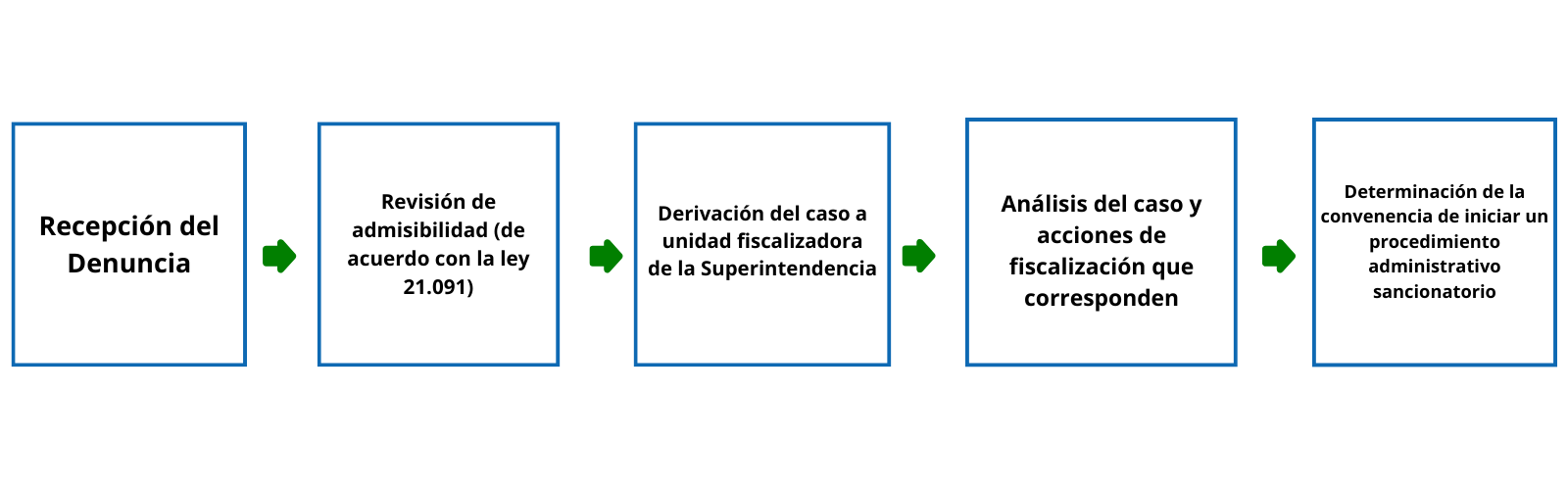
 Obtaining academic background: certificates (notes, a regular student, ranking, recognition of hours, title, grade, and exit), plans and programmes, concentration notes
 Problems in the community institutional arising from violations of the internal regulations of the institutions
 Charges for removal or academic suspension, charging wrong.
 Benefits and/or grants student grants and loans)
 Misleading advertising
 Infrastructure or equipment, laboratories, computer support
 Application and admission selection test
 Comprehensive policy against sexual harassment, violence and gender discrimination


