
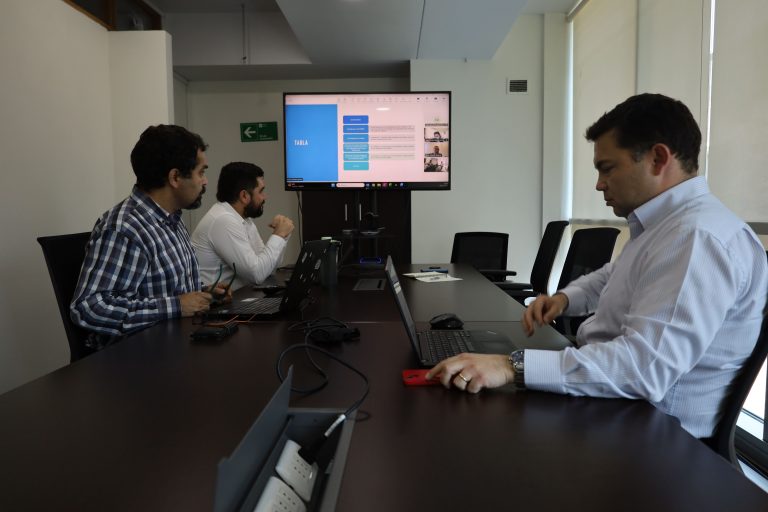
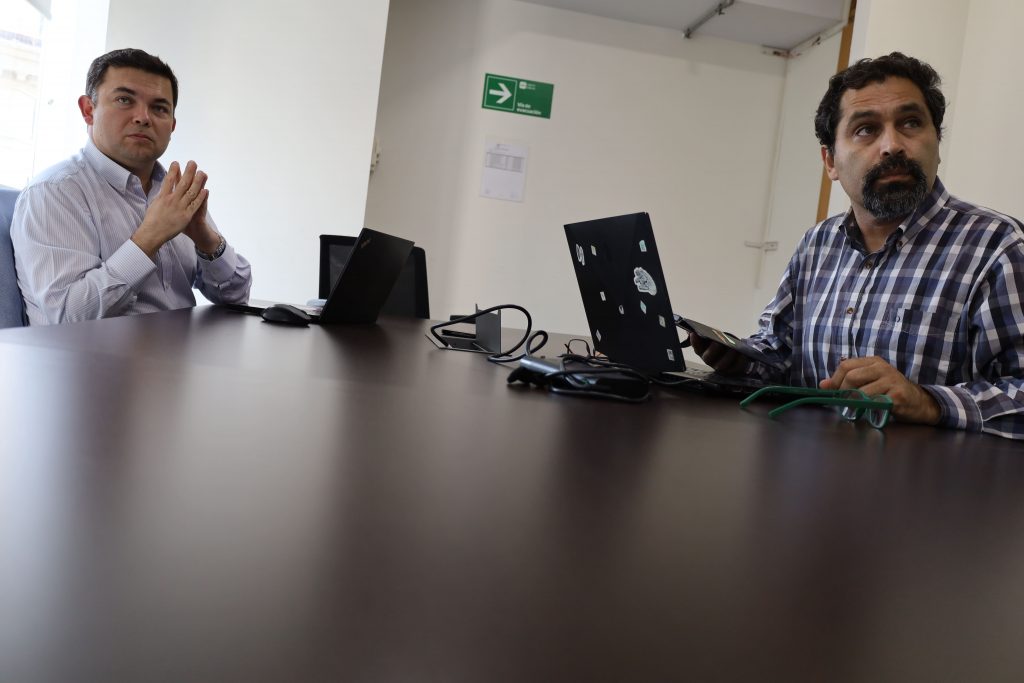
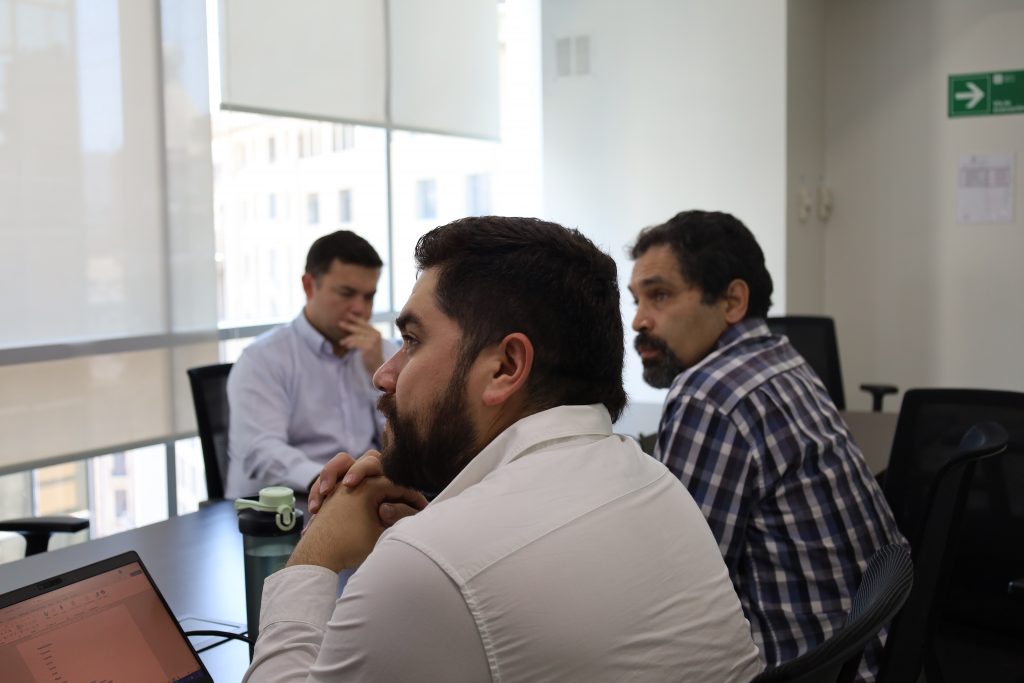
Este jueves 22 de enero, el Consejo de la Sociedad Civil (COSOC) de la Superintendencia de Educación Superior (SES) realizó su segunda sesión, correspondiente a la primera del año 2026. La instancia se desarrolló de manera híbrida y contó con la participación de cinco de sus seis integrantes. La sesión fue presidida por Reiner Hollander.
De forma presencial, en las dependencias de la SES, asistieron Jonás Chnaiderman, representante de la Asociación Nacional de Académicos y Académicas de la Universidad de Chile, y Leopoldo Ramírez, del Consejo de Institutos Profesionales y Centros de Formación Técnica Acreditados. En tanto, de manera telemática participaron Camilo Peña, de la Asociación de Funcionarios Académicos de la Universidad de Playa Ancha; Miguel Oyarzún, del Sindicato de Trabajadores de la Universidad Católica Silva Henríquez; y el presidente del COSOC, Reiner Hollander.
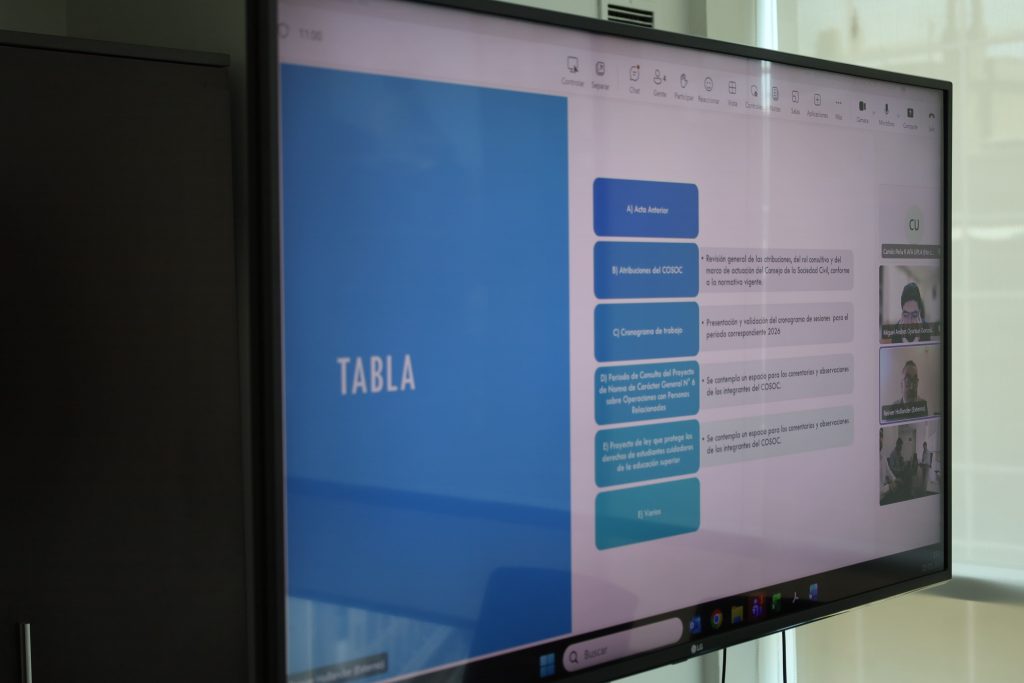
Durante la sesión, se aprobó el acta correspondiente a la reunión anterior, realizada el 23 de diciembre. Asimismo, se abordaron diversos temas incluidos en la tabla, entre ellos la definición del calendario de sesiones para el año 2026, acordándose las siguientes fechas: 16 de abril, 18 de junio, 13 de agosto, 15 de octubre y 17 de diciembre.
Otro de los puntos tratados fue el análisis de los alcances de la Ley N° 21.790, que protege los derechos de los estudiantes cuidadores en la educación superior, con el objetivo de evaluar posibles sugerencias para la participación de la SES en la implementación de esta normativa.
Además, el Consejo acordó la posibilidad de solicitar una extensión del período de consulta pública de la Norma de Carácter General N°6, que regula las operaciones de las personas relacionadas con las instituciones de educación superior, proceso que se inició el pasado 3 de enero.


 Obtaining academic background: certificates (notes, a regular student, ranking, recognition of hours, title, grade, and exit), plans and programmes, concentration notes
 Problems in the community institutional arising from violations of the internal regulations of the institutions
 Charges for removal or academic suspension, charging wrong.
 Benefits and/or grants student grants and loans)
 Misleading advertising
 Infrastructure or equipment, laboratories, computer support
 Application and admission selection test
 Comprehensive policy against sexual harassment, violence and gender discrimination


