
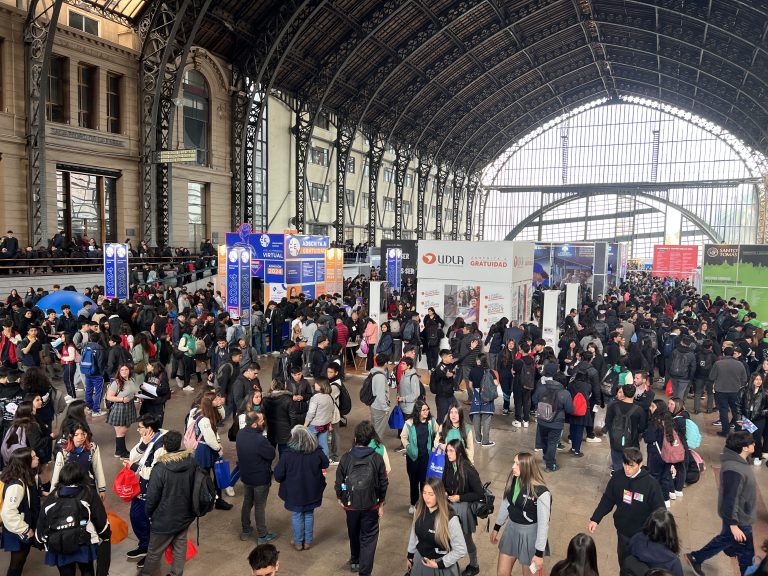
From this Tuesday the 21st to next Thursday the 30th of January, students entering their first year of higher education will have until then to exercise their right of withdrawal, which allows them to cancel any previously signed contract with another educational institution.
Specifically, the Consumer Protection Law (LPC) states that those entering their first year of an undergraduate degree program, whether at a university, technical training center (CFT), or professional institute (IP), who have enrolled in another institution and wish to transfer, may do so after learning the results of their applications to institutions that are part of the Higher Education Access System.
This way, there will be a period of 10 calendar days to exercise the right of withdrawal from the first publication of the application results, that is, from this Tuesday, January 21, to Thursday, January 30.
This right applies to both those who enrolled before knowing the selection results, and to those who enrolled during the first process and prefer the institution they were assigned to during the second stage.

For this reason, the National Consumer Service (SERNAC) and the Superintendence of Higher Education (SES) They will work in a coordinated manner to monitor and safeguard the due compliance of this right, should it be exercised.
The Superintendent of Higher Education, José Miguel Salazar, highlighted that “the right of withdrawal is an important tool that higher education applicants have to make a better and more informed decision about their future. In this context, the Superintendency of Higher Education calls on all universities, professional institutes, and technical training centers in the country to respect the right of withdrawal and to adopt the necessary measures so that all applicants can continue their studies where they deem appropriate.”.
The National Director of SERNAC, Andrés Herrera, noted that “it is very important for students entering their first year of university to be adequately informed about this right, as it allows for the protection of those who have already enrolled in another institution to secure a spot.”.
Furthermore, he added that “higher education institutions are obligated to respect this right, which means, among other things, that they must refund tuition fees.”.
It is important to remember that to exercise the withdrawal, students must present proof of their second enrollment and ideally a letter of withdrawal from the first higher education institution.
If I exercise my right of withdrawal, what must the first institution I enrolled in do?
You must return the amount paid for tuition and the documentation supporting the payment for the year, within 10 calendar days from the date the right of withdrawal was exercised.
● You may retain up to 1% of the annual tuition fee for the degree for administrative costs.
You will not be able to charge for services that you have withdrawn from.
Step-by-step to exercise the right of withdrawal
The first step is to present proof of the second enrollment to the institution with which it was originally contracted.
Accompany the proof of the second registration, ideally with a letter, stating the desire to exercise the right of withdrawal, with the date clearly indicated. Users can access a letter template by visiting www.sernac.cl/retracto or www.sesuperior/retracto. Institutions must provide remote facilities for managing withdrawal requests.
Request that the institution stamp or sign a copy of the letter to certify the date the right was exercised, in case of future issues.
If no refund has been received or the contract termination has not been confirmed after 10 consecutive days from this process, it is a violation.
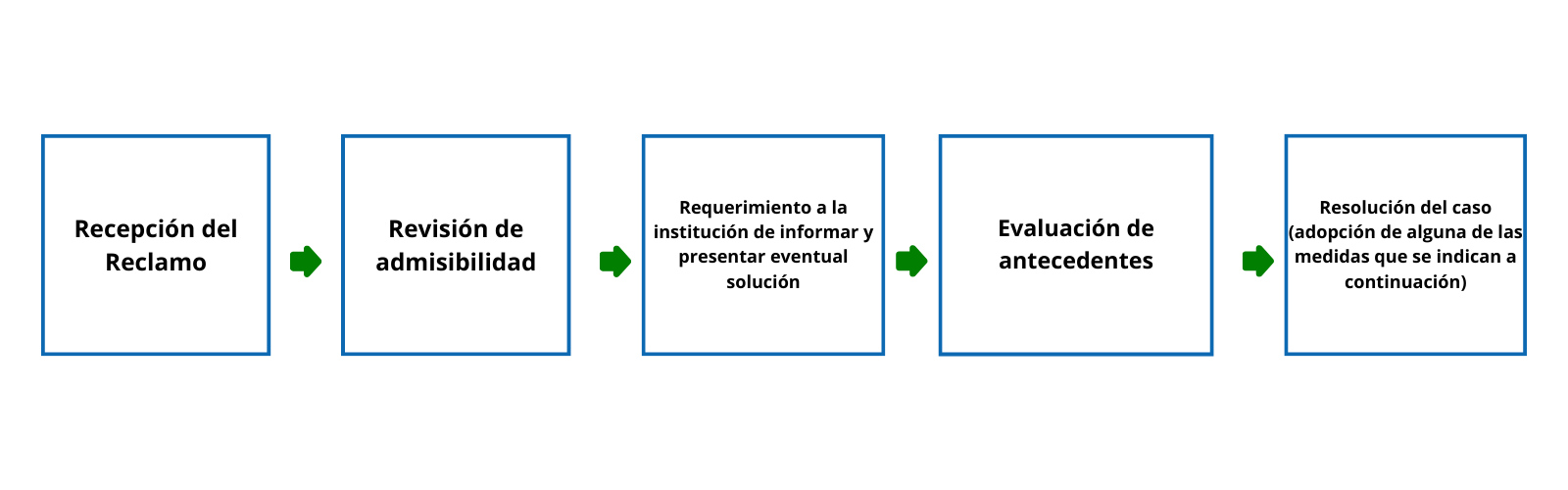
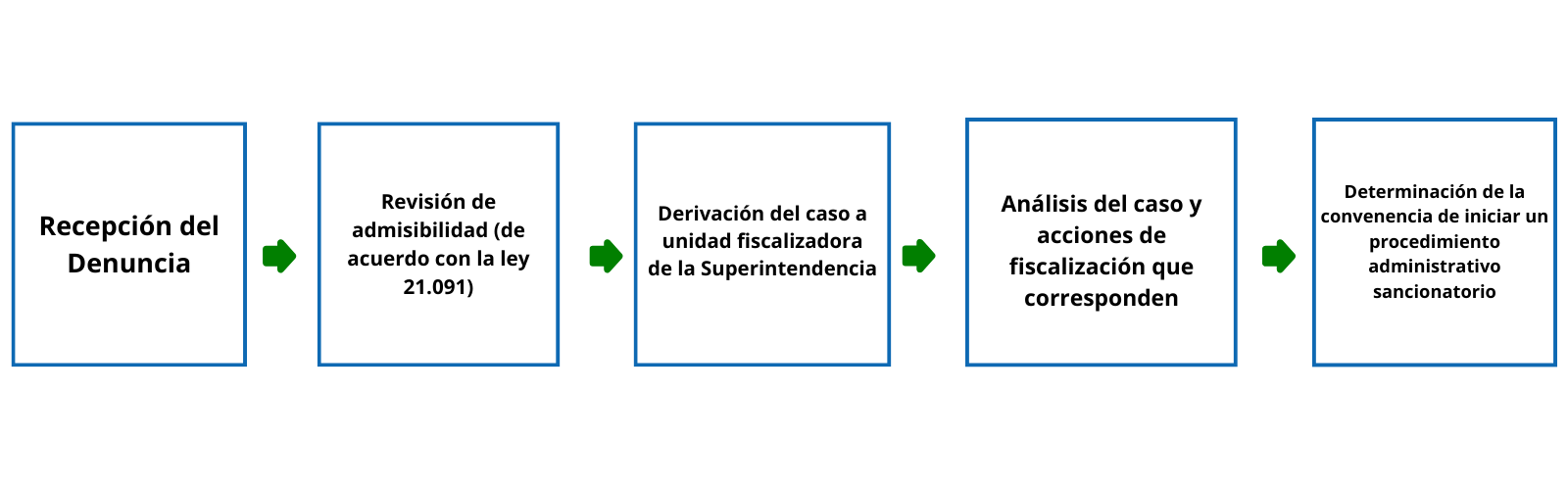
If any institution does not respect this right, students can file a complaint with SERNAC at www.sernac.cl or by calling 800 700 100; or directly on the SES complaints and reports platform available at www.sesuperior.cl.


 Obtaining academic background: certificates (notes, a regular student, ranking, recognition of hours, title, grade, and exit), plans and programmes, concentration notes
 Problems in the community institutional arising from violations of the internal regulations of the institutions
 Charges for removal or academic suspension, charging wrong.
 Benefits and/or grants student grants and loans)
 Misleading advertising
 Infrastructure or equipment, laboratories, computer support
 Application and admission selection test
 Comprehensive policy against sexual harassment, violence and gender discrimination


