
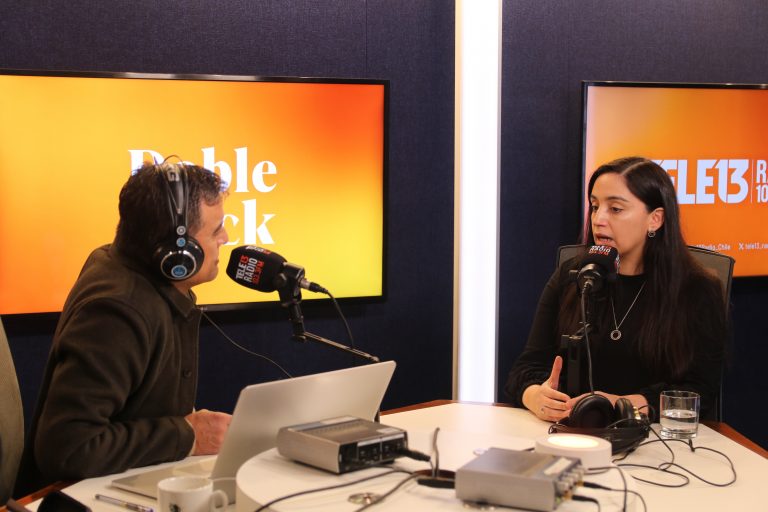
En entrevista con el programa Doble Click de Tele13 Radio, la fiscal de la Superintendencia de Educación Superior, Daniella Maureira, abordó los principales alcances de la Norma de Carácter General N°4, recientemente dictada por la institución. Esta medida busca resguardar la salud mental y promover entornos de sana convivencia para los y las estudiantes de carreras del área de la salud durante sus prácticas en campos clínicos.
“Cuando ya hay una denuncia, llegamos tarde. Por eso, esta norma pone el foco en la prevención, que es donde creemos que debe estar la línea de trabajo en estas materias”, señaló la fiscal. La normativa establece exigencias concretas a las instituciones de educación superior, entre ellas la capacitación obligatoria en derechos humanos y buen trato para sus tutores clínicos, la implementación de estrategias de apoyo psicológico, y el fortalecimiento de los canales de inducción e información para los y las estudiantes antes de iniciar su práctica profesional.
Uno de los avances más relevantes anunciados por la Superintendencia es la aplicación, por primera vez, de una encuesta anónima a estudiantes que hayan realizado prácticas clínicas, la cual será administrada directamente por la SES cada mes de noviembre. “Esto es innovador para nosotros, porque vamos a ir directamente donde los estudiantes para recoger información valiosa que nos permitirá focalizar nuestras acciones de fiscalización y coordinar con otros actores del sistema”, explicó Maureira.
La norma también exige que las instituciones reporten semestralmente todas las denuncias recibidas en contextos clínicos, incluso aquellas que deban ser derivadas a establecimientos de salud. Esto permitirá a la Superintendencia detectar patrones de riesgo y promover acciones coordinadas con otros organismos, como la Subsecretaría de Redes Asistenciales o la Superintendencia de Salud.
Maureira subrayó que esta norma no sólo responde a una necesidad sentida por las comunidades educativas del área de la salud, sino que marca el inicio de un cambio cultural profundo: “Ya no podemos seguir validando la idea de que para ser un buen profesional hay que soportar malos tratos. Esta regulación es un primer paso hacia entornos formativos más seguros, respetuosos y saludables”.
Finalmente la fiscal destacó que “si bien vemos que hay un problema y situaciones puntuales que han impactado fuertemente al sector, también hemos constatado el esfuerzo de las instituciones de educación superior de avanzar en esto, de tomar medidas, de generar convenios, de generar capacitaciones, de generar informes. Entonces, creemos que ya el tema se instaló, creemos que hay un compromiso compartido y nosotros, como Superintendencia, lo que estamos haciendo es empujar a que se consolide este cambio cultural”.


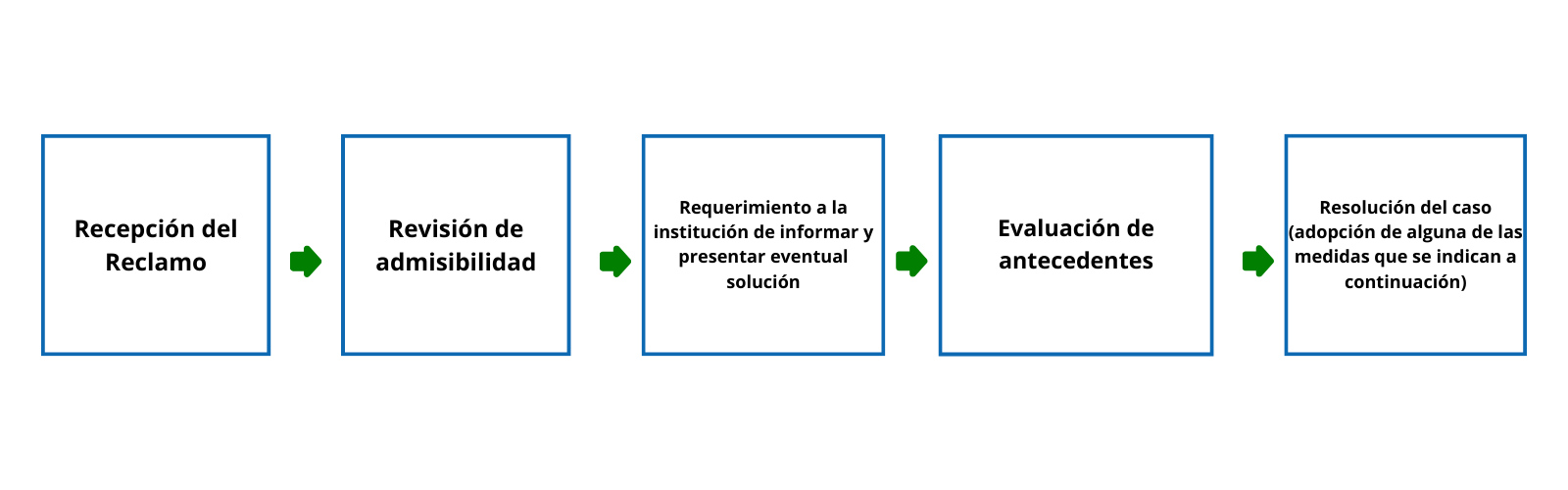
 Obtaining academic background: certificates (notes, a regular student, ranking, recognition of hours, title, grade, and exit), plans and programmes, concentration notes
 Problems in the community institutional arising from violations of the internal regulations of the institutions
 Charges for removal or academic suspension, charging wrong.
 Benefits and/or grants student grants and loans)
 Misleading advertising
 Infrastructure or equipment, laboratories, computer support
 Application and admission selection test
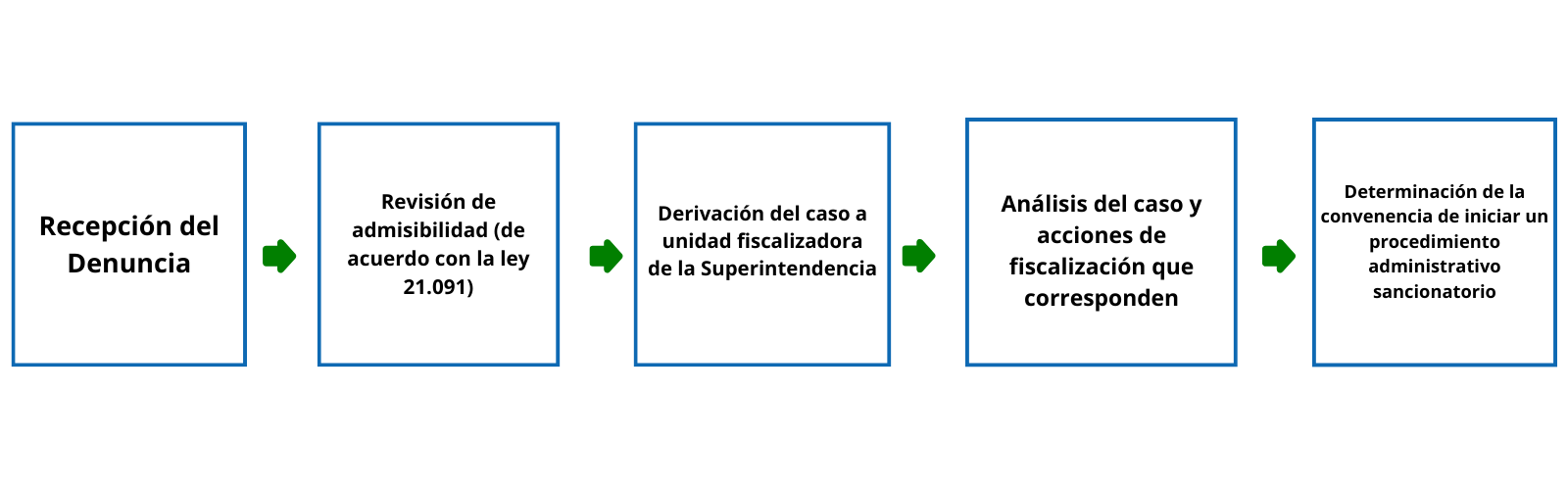
 Comprehensive policy against sexual harassment, violence and gender discrimination


