

The Superintendence of Higher Education (SES) published a new General Rule in the Official Gazette establishing concrete obligations for universities, professional institutes, and technical training centers. to promote healthy coexistence and safeguard the mental health of students undertaking clinical internships, a long-awaited measure by the educational communities in the health field and their families.
The standard, which will take effect on January 1, 2026, it is the result of a participatory process that brought together higher education institutions, student representatives, health sector authorities, and civil society organizations. Its objective is to generate safer, more formative, and respectful conditions in the clinical settings where thousands of health science students train each year.
“A year ago, following the unfortunate death of student Catalina Cayazaya, this Superintendency committed to establishing clear and enforceable rules to protect students in clinical settings, where increasing conflict has been evident. This new regulation is the result of a process of dialogue and collective construction, which gathers diverse voices and experiences with a sense of urgency.”, Superintendent of Higher Education, José Miguel Salazar, pointed out.
Prevention and permanent monitoring
One of the main emphases of the new regulation is the Strengthening of prevention. To do this, the standard establishes that higher education institutions must mandatorily train clinical teaching teams in matters of clinical pedagogy, ethics, gender, mental health, and human rights. It also requires Implementation of induction sessions for students before they begin their internships, as well as the active dissemination of psychological support strategies and reporting channels.
The regulation - which is available on the institutional website www.sesuperior.cl– it also incorporates the obligation to sign formal agreements with the healthcare facilities where the practices are carried out, those that must include the rights and duties of the students who will be trained in them. This also establishes a Single complaint channel with tracking and guaranteed anonymity, and Semiannually report to SES the record of complaints received and measures taken.
“This standard establishes a level of protection and support that did not exist until now. It requires institutions to implement effective physical and psychological safeguarding measures in cases of abuse, train their educational teams, ensure clear and swift investigative processes, and have mechanisms for permanent monitoring of the educational environment,” Salazar added.
National Survey
SES, for its part, will apply a Annual national survey to health area students about climate and mental health in clinical settings, the results of which will be key to guiding the organization's oversight actions.
This standard marks a decisive step towards safer, more formative, and respectful clinical environments, reaffirming the Superintendency's commitment to promoting rights, good treatment, and the well-being of those training to care for people's health.


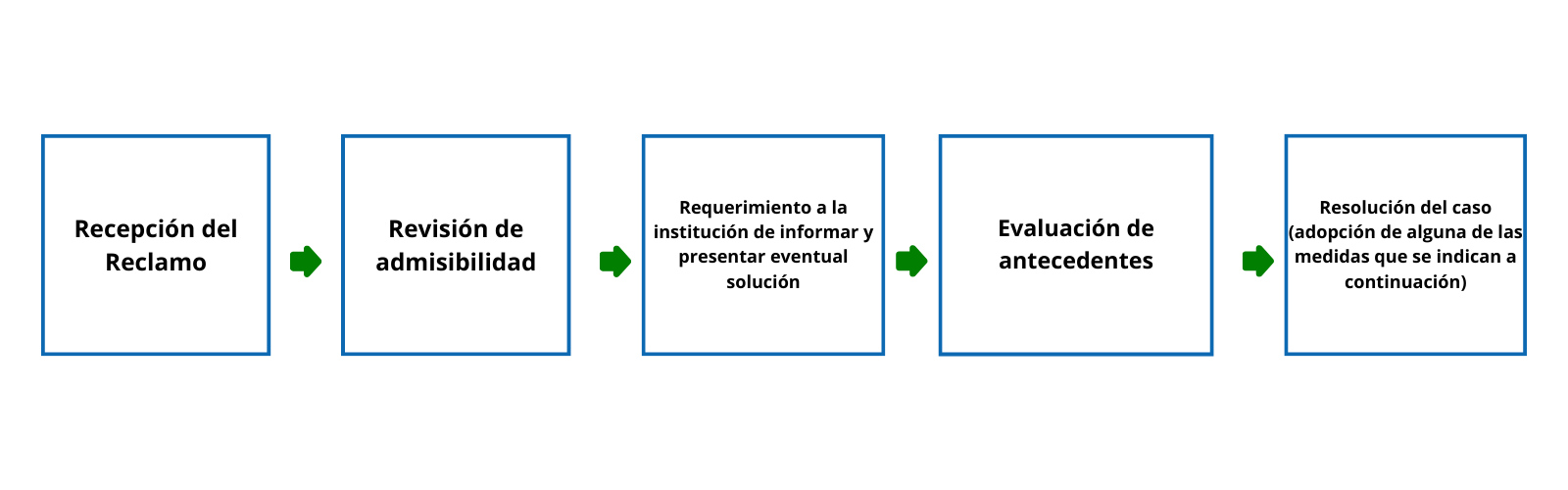
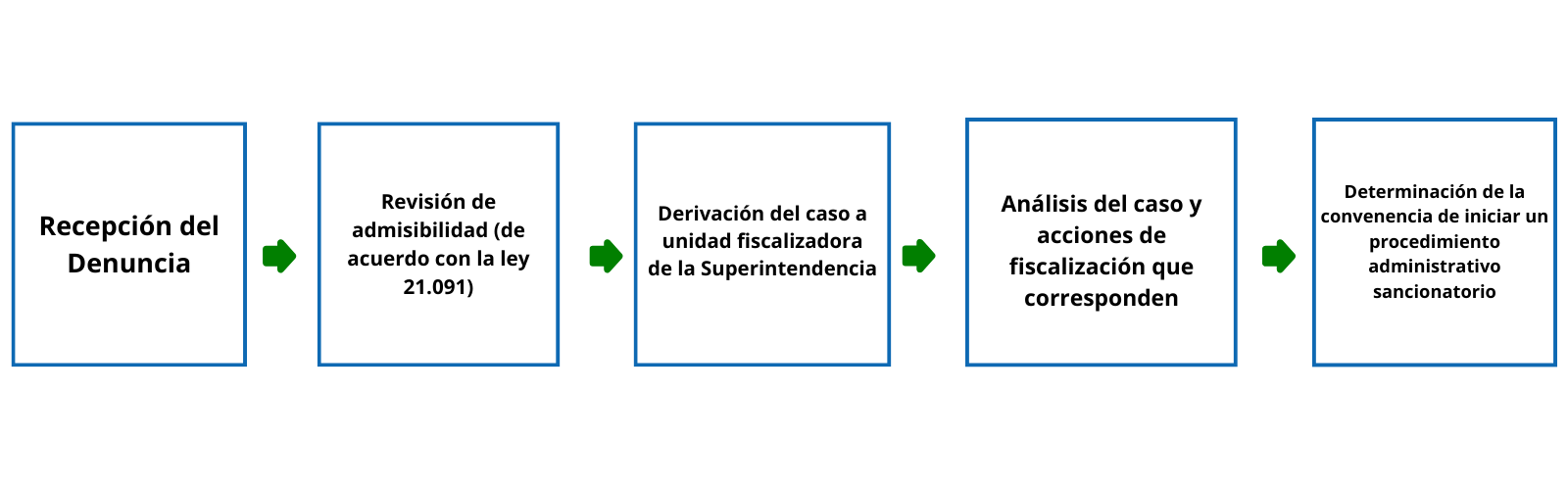
 Obtaining academic background: certificates (notes, a regular student, ranking, recognition of hours, title, grade, and exit), plans and programmes, concentration notes
 Problems in the community institutional arising from violations of the internal regulations of the institutions
 Charges for removal or academic suspension, charging wrong.
 Benefits and/or grants student grants and loans)
 Misleading advertising
 Infrastructure or equipment, laboratories, computer support
 Application and admission selection test
 Comprehensive policy against sexual harassment, violence and gender discrimination


