
El Servicio de Información de Educación Superior (SIES), de la Subsecretaría de Educación Superior, presentó recientemente un informe sobre la matrícula 2022 del sector. Así, da cuenta que el sistema cuenta con 1.301.925 estudiantes, cifra que presenta una leve alza 0,6% respecto a su año anterior, siendo mayor el incremento a nivel de posgrado (2,5%) que en las carreras de pregrado (0,6%). En el caso de postítulo, este año hay una caída de 4,1% en sus matriculados. De esta manera, la matrícula total va retomando la tendencia a la recuperación luego de la fuerte caída que trajo consigo la pandemia por COVID-19.
Los planteles que presentan un alza de la matrícula son los institutos profesionales o IP con 4,7%. En cambio, las universidades cayeron 1,0%, y los centros de formación técnica o CFT disminuyeron en 2,0%, ambos respecto al año anterior.
En el mundo universitario, la caída en la matrícula es más notoria en las universidades estatales, que en 2022 evidencian una baja de -1,9%, es decir, 4 mil matrículas menos. En el caso de las universidades privadas del Cruch la disminución de su matrícula total es de 0,7% y de las universidades privadas de 0,5%.
Este año, el SIES incorpora por primera vez en su informe el número de estudiantes en situación de discapacidad dentro del sistema. Así vemos que actualmente las personas que presentan alguna discapacidad suman 7.951, lo que representa el 0,6% de la matrícula total de educación superior. La mayor parte estudia en universidades (3.620) e IP (3.037), representando el 45,5% y 38,2%, respectivamente. Los CFT, en cambio, tienen 1.294 estudiantes que presentan esta condición, lo que equivale al 16,3% de la matrícula de estudiantes que presenta algún tipo de discapacidad.
Las cifras fueron recopiladas de una consulta realizada a las 142 instituciones vigentes a marzo de este año (50 Centros de Formación Técnica, 34 Institutos Profesionales y 58 universidades), de las cuales 132 presentan matrícula en 2022. Las 10 instituciones restantes no cuentan con matrícula por estar en proceso de cierre institucional o no entregaron información.
El informe de Matrícula 2022 elaborado por el SIES está disponible en este Link


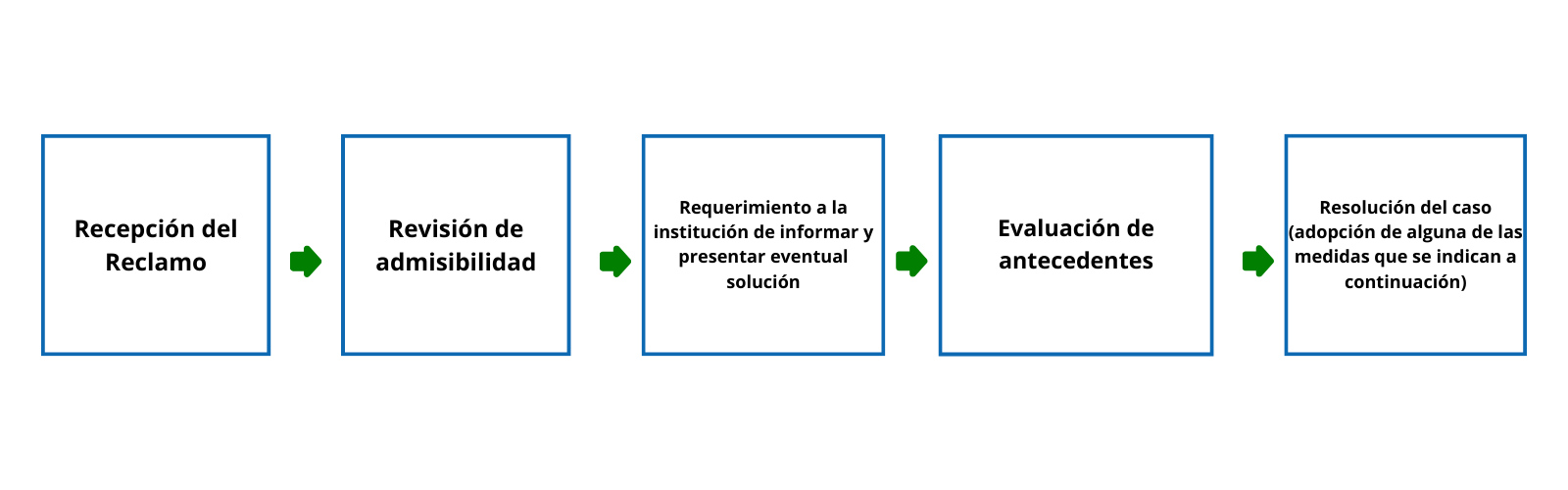
 Obtaining academic background: certificates (notes, a regular student, ranking, recognition of hours, title, grade, and exit), plans and programmes, concentration notes
 Problems in the community institutional arising from violations of the internal regulations of the institutions
 Charges for removal or academic suspension, charging wrong.
 Benefits and/or grants student grants and loans)
 Misleading advertising
 Infrastructure or equipment, laboratories, computer support
 Application and admission selection test
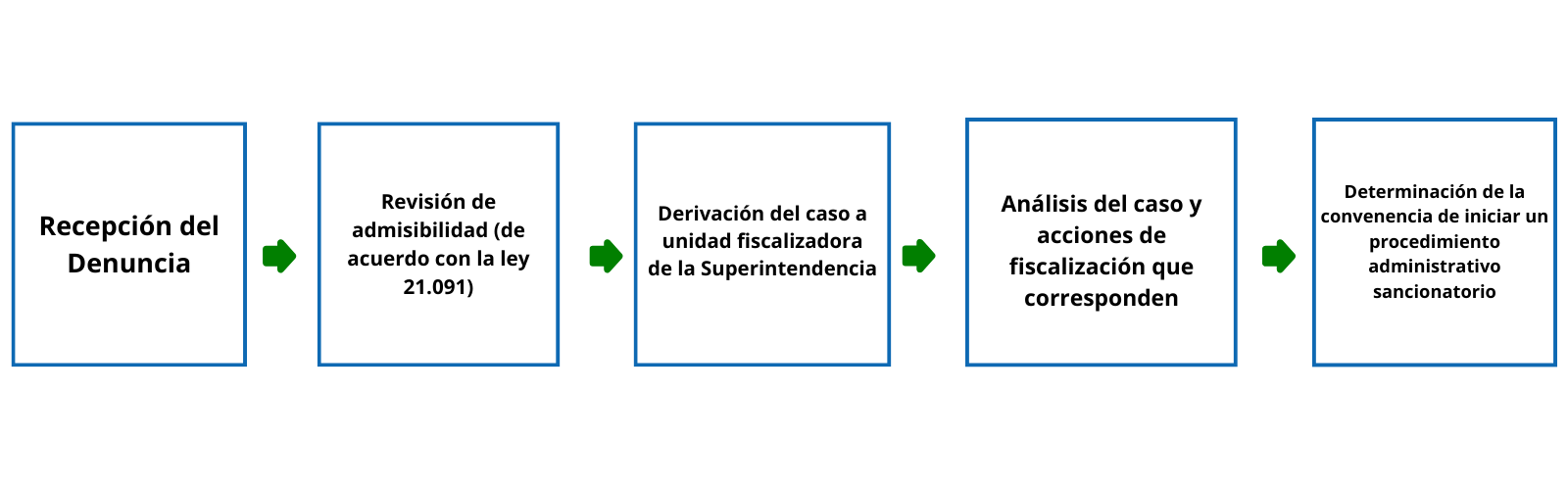
 Comprehensive policy against sexual harassment, violence and gender discrimination


