Public attention: Moneda 975, 11th floor, Santiago, RM.
Hours of operation: Monday to Friday from 9:00 to 13:00 hours.

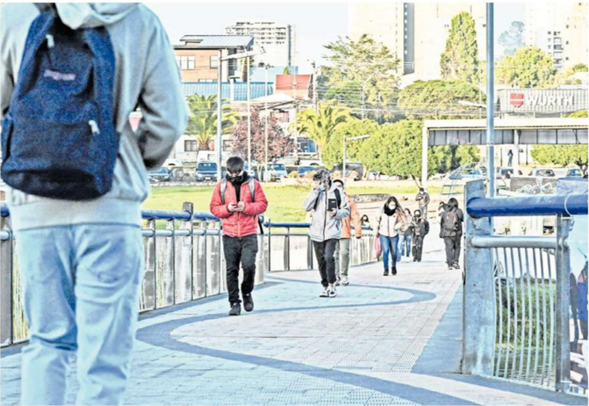
In-person student attendance in higher education institutions in the Biobío Region reaches 84% and surpasses the national average.

La Superintendencia de Educación Superior (SES) realizó en septiembre un proceso de fiscalización que aplicó a todas las universidades, institutos profesionales y centros de formación técnica del país, con la finalidad de verificar el estado de prestación del servicio educativo en el contexto del COVID-19, fundamentalmente en materia de presencialidad y rezago de actividades académicas.

Según el informe, en la Región del Biobío el 83,8% de los estudiantes de pregrado asistieron a sus clases de forma presencial (100 mil alumnos), cifra que supera a la media nacional (79,7%) y a regiones como la Metropolitana (74,7%), informó diario El Sur de Concepción.

En el desglose, la mayor asistencia se generó en el mundo universitario (87,4%), seguido por los centros de formación técnica (80,5%) y los institutos profesionales (76,2%), y se proyecta también que para este segundo semestre los indicadores superen el 91% del universo total de 119 mil estudiantes de pregrado.

El estudio también detalla que el 93,1% de las 29 instituciones educativas con presencia en la Región del Biobío cuenta con protocolos de acción que se pueden activar en caso de una emergencia sanitaria.

Rezagados

Entre las principales actividades académicas que aún se encuentran pendientes, está el proceso de fin de carrera para 455 estudiantes, las actividades en campos clínicos para 282 alumnos, las prácticas profesionales fuera de campus para 244 estudiantes, y actividades teóricas y prácticas para 176 alumnos de la zona, todas cifras que, pese a ser marginales para el universo total del sistema, representan un foco de preocupación tanto a nivel de gobierno como entre las propias casas de estudios.

Así lo presentó diario El Sur de Concepción.


Share news:

Enter your case

Edit Content

CLAIM

The claim it is the request to the Superintendent for this to intervene as a mediator in the dispute existing between the complainant and any of the institutions of higher education are controlled. 

Purpose of the Claim:

Propose an alternative solution to the particular problem of the claimant in the event of a mediation that instruct the Superintendent.

To file a claim, what should I consider?

I am the person concerned or the I represent

I have a problem that I have not been able to resolve with an Institution of Higher Education.
I have a history to prove the problem (emails, audios, texts, documents, formal, etc..) with the institution of higher education.

Propose an alternative solution to the particular problem of the claimant in the event of a mediation that instruct the Superintendent.

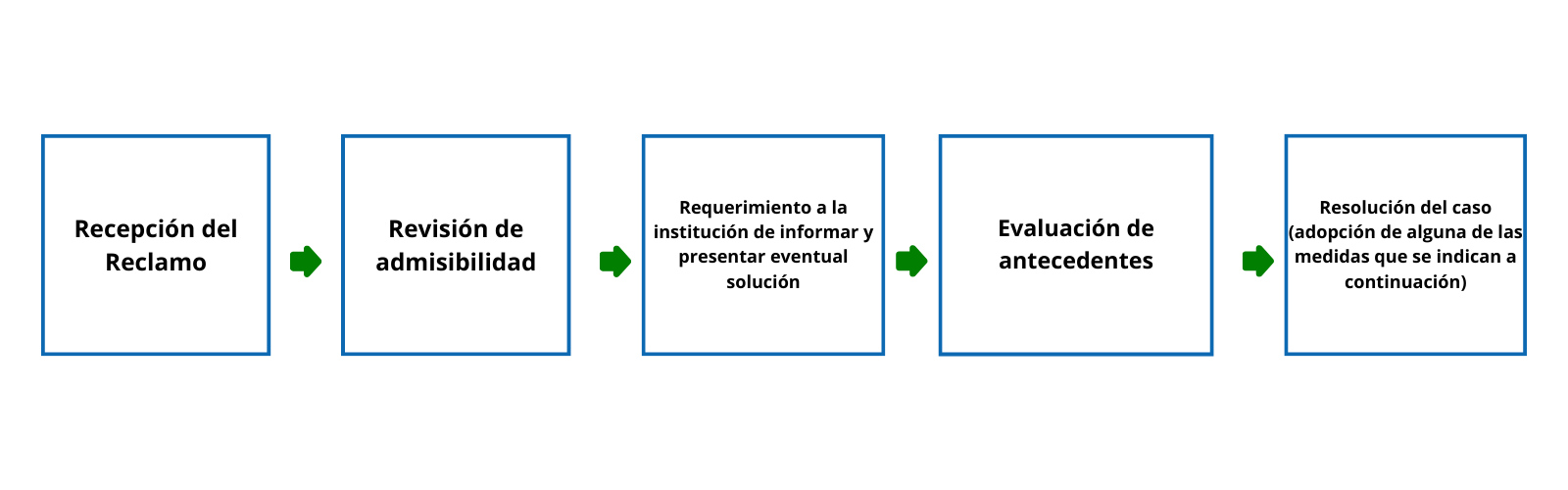
Claim Stages

Edit Content

COMPLAINT:

The Complaint it is the act by which informs the Superintendency of a potential irregularity, with the object that this Investigate and take appropriate action

Purpose of the Complaint:

Apply by the Superintendence sanctions
apply in accordance with the law.

It is important to consider that the complaint does NOT pursue a
solution to the particular problem of the complainant

To file a complaint, what should I consider?

I am the person concerned or the I represent.

I want or do NOT want to reveal my identity (If the option is NOT you will be contacted by a member of the SES to lift or ratify such reserve).

I can describe the specific facts constituting a violation, the date and place in which they occurred.

If possible, I will identify the alleged infringer (faculty, students, administrative authority, etc).

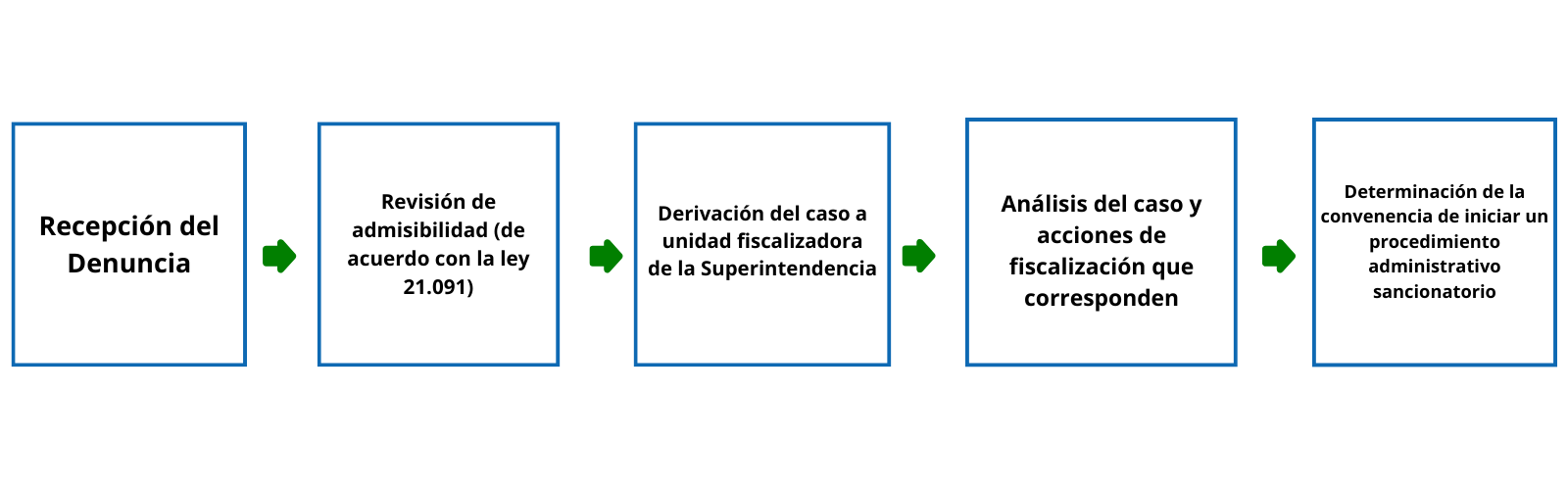
Stages of the complaint

What types of complaints fall under SES jurisdiction?

Under the categories of complaints: 

Obtaining academic background: certificates (notes, a regular student, ranking, recognition of hours, title, grade, and exit), plans and programmes, concentration notes

Problems in the community institutional arising from violations of the internal regulations of the institutions 

Charges for removal or academic suspension, charging wrong.

Benefits and/or grants student grants and loans) 


    Misleading advertising 
   Infrastructure or equipment, laboratories, computer support 

    Application and admission selection test 

    Comprehensive policy against sexual harassment, violence and gender discrimination 

What types of complaints are not within the SES's jurisdiction?

  Breaches in the area of school Education 

  Application and renewal of scholarships allocated by the Ministry of Education

 Higher education institutions are not officially recognized by the State

 Requirements in closed institutions 

 Labour issues

  Tuition associated with immigration documentation