
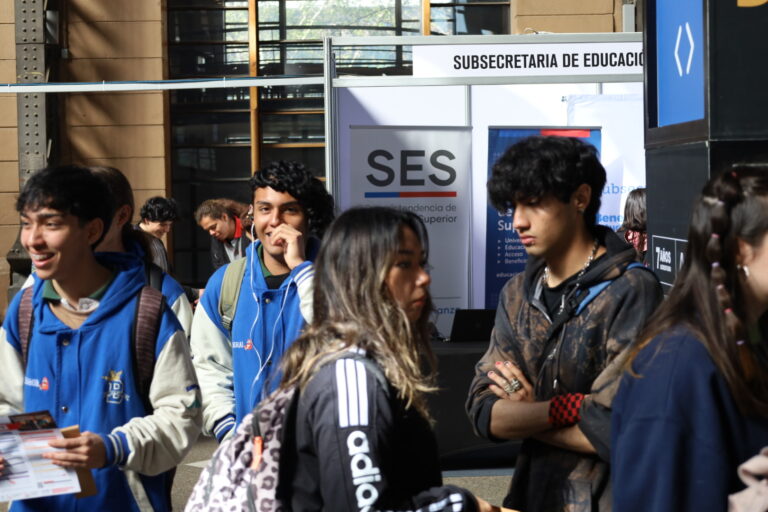
The National Consumer Service (SERNAC) and the Superintendence of Higher Education (SES) reported that from this Tuesday, January 20th, until next Thursday, January 29th the deadline for students entering higher education to be able to exercise the right of withdrawal established in the Consumer Protection Law (CPL).
This right benefits the young people entering their first year of an undergraduate degree program at a university, technical training center, or professional institute, who have pre-enrolled in another institution and wish to transfer after knowing the results of their applications to institutions that are part of the Higher Education Access System, allowing them Recover the money paid.
The law states that students have a 10 calendar days to exercise the right of withdrawal since the first publication of application results is completed and they must prove, before the institution with respect to which this power is exercised, that they are enrolled in another higher education institution, what they will be able to do only from January 20th, start date of enrollment for universities belonging to the Council of Rectors.
How to exercise the right of withdrawal?
To exercise the right of withdrawal, students must present to the institution where they originally enrolled, the proof of second enrollment, next to a Photograph of the valid identity card on both sides, and ideally a withdrawal letter, available in www.sernac.cl/withdrawal.
The National Director (Acting) of SERNAC, Carolina González, explained that “this right aims to protect young people who enroll in advance to secure a spot, allowing them to recover their money if they decide to study at a second higher education institution after the results of the Higher Education Access Test.”.
For its part, the Superintendent of Higher Education (SES), José Miguel Salazar, explained that the right of withdrawal is a fundamental tool to protect the freedom of choice for students entering higher education for the first time.
“This mechanism allows them to withdraw from a previously signed contract and opt for the institution where they were finally selected, once the admission process results are known. We call on all universities, professional institutes, and technical training centers to strictly adhere to current regulations, facilitating the procedures and making the corresponding reimbursements within the established deadlines,” added Salazar.
To ensure that higher education institutions respect the right of withdrawal, The SERNAC and the SES will jointly monitor the behavior, within the framework of the cooperation agreement in force between both state agencies.
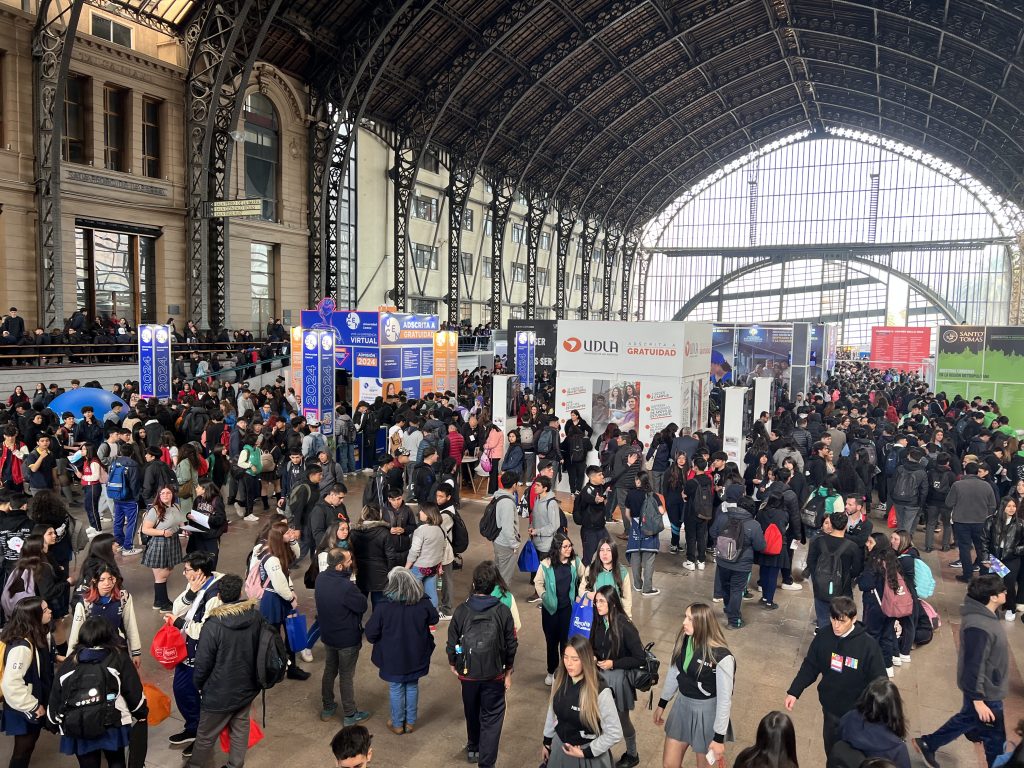
The right of withdrawal implies a period during which a consumer can cancel a contract or purchase without giving a reason and without penalty.
- The withdrawal can be exercised by students enrolled for the year 2026, or whoever made the payment on their behalf, regardless of the time elapsed prior to the publication of the access system results.
- The higher education institution should return the tuition paid and the documentation supporting the payment of the year within 10 calendar days since the student exercised the right of withdrawal.
- The educational institution may only retain an amount from the payment that may not exceed 1% of the annual tuition for the course of study for administrative costs.
Additionally, while the right of withdrawal is valid, Higher education institutions cannot negotiate documents they have received., in support of the respective educational period.
In other words, the documentation cannot be the subject of a factoring operation; cannot be endorsed or pledged as collateral; nor hand them over to a collection agency; nor perform any other similar operation.
Step-by-step guide to exercising the right of withdrawal
- The first step is to present proof of the second enrollment to the institution where you originally enrolled.
- Accompany the proof of the second registration, ideally with a letter, in which you state that you wish to exercise the right of withdrawal, making the date clear. Users can access a letter format by visiting sernac.cl/withdrawal or on the website www.sesuperior.cl.
- Ask the institution to stamp or sign a copy of the letter as proof of the date the right became effective, in case of future issues.
- If after 10 calendar days have passed since this process, you have not received the refund or confirmation of contract cancellation, it could be a violation of the Consumer Protection Law.
- If any institution does not respect this right, students can File a claim with SERNAC en sernac.cl o calling the phone 800 700 100 or to the SES sesuperior.cl.
- In case of doubt, both SERNAC and SES have on their respective websites with all the information on the right of withdrawal and how to exercise it correctly.


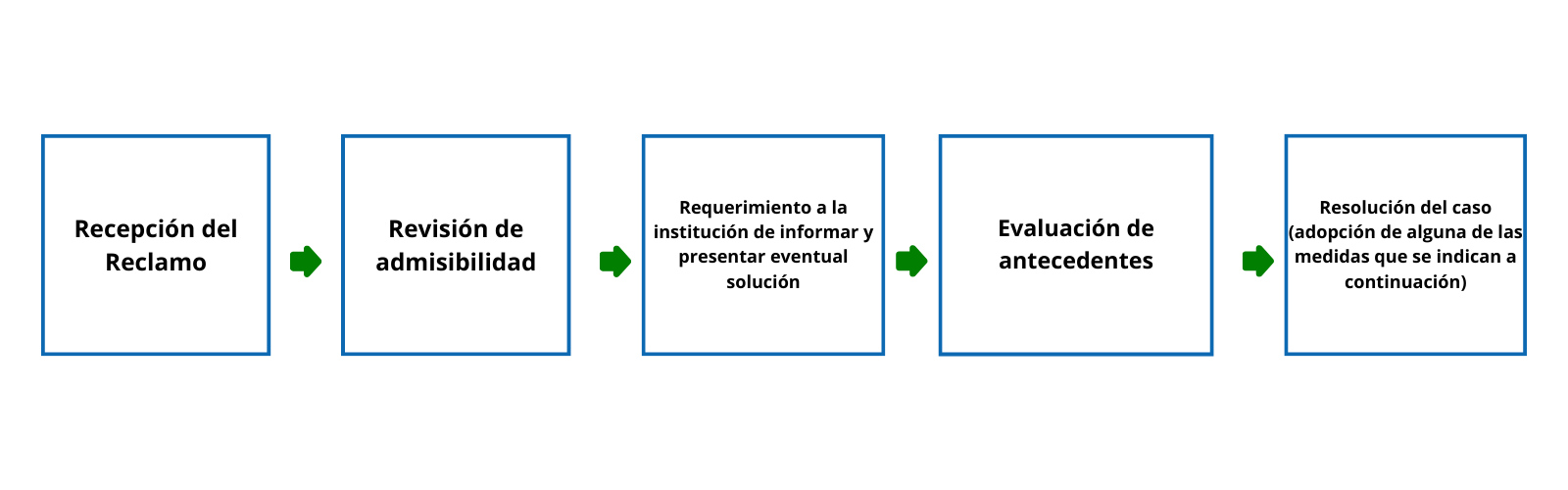
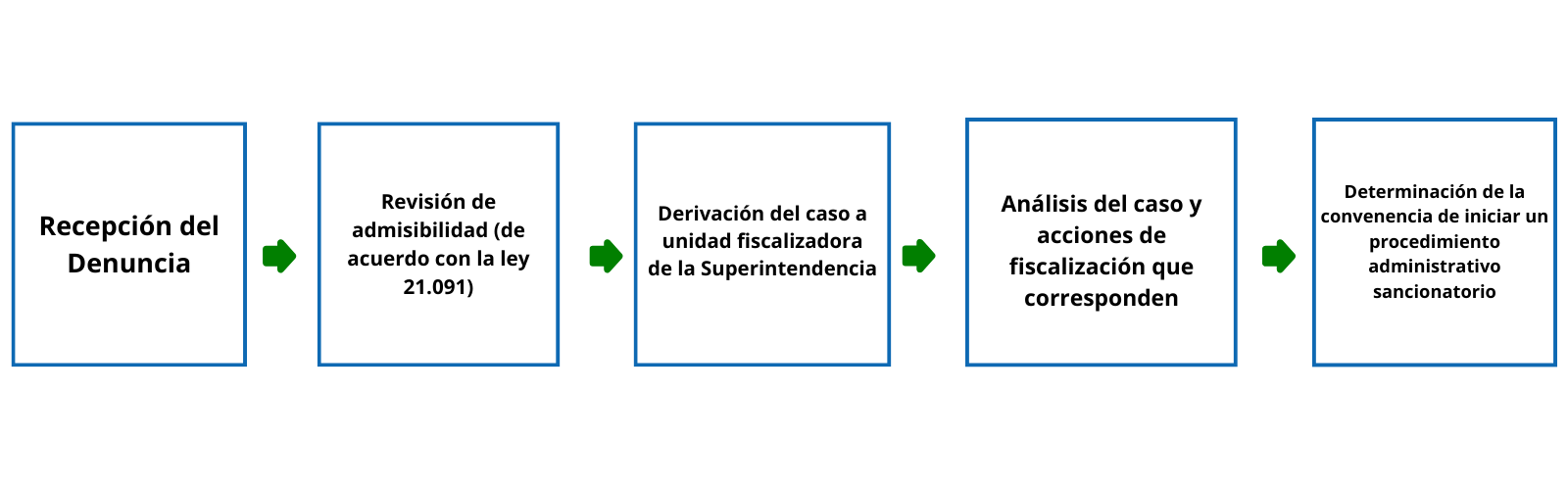
 Obtaining academic background: certificates (notes, a regular student, ranking, recognition of hours, title, grade, and exit), plans and programmes, concentration notes
 Problems in the community institutional arising from violations of the internal regulations of the institutions
 Charges for removal or academic suspension, charging wrong.
 Benefits and/or grants student grants and loans)
 Misleading advertising
 Infrastructure or equipment, laboratories, computer support
 Application and admission selection test
 Comprehensive policy against sexual harassment, violence and gender discrimination


