
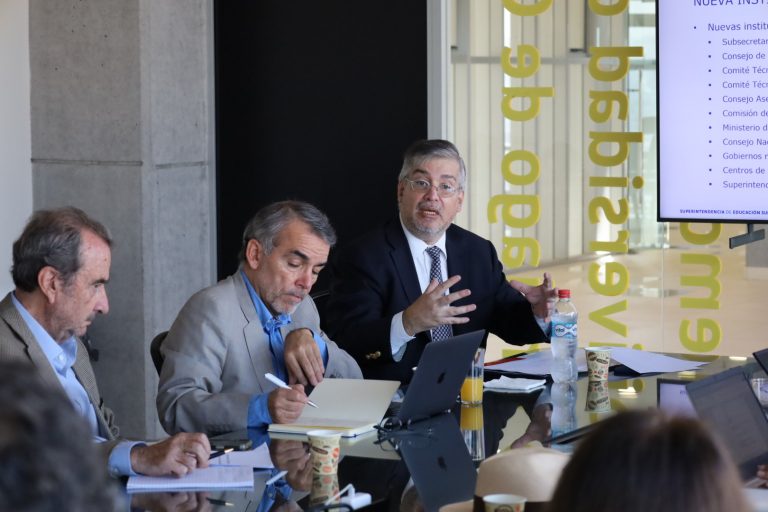
The Superintendente de Educación Superior, José Miguel Salazar, expuso ante el Consejo Asesor de la Estrategia de Desarrollo para la Educación Superior, instancia encargada de elaborar y validar la propuesta estratégica que la Subsecretaría de Educación Superior presentará al Ministro de Educación durante el último trimestre del año.
En su intervención, el Superintendente destacó el valor de la nueva institucionalidad, que ha incorporado diversas normativas al sector, subrayando el desafío que enfrenta el sistema para avanzar en una mejor coordinación entre sus distintos actores.
Asimismo, enfatizó que “no todas las instituciones de educación superior presentan problemas de gestión financiera y estratégica, y existe una amplia variedad de estilos y modelos de gestión, lo que implica que abordar los desafíos del sistema requiere una mirada integral y multidimensional”.
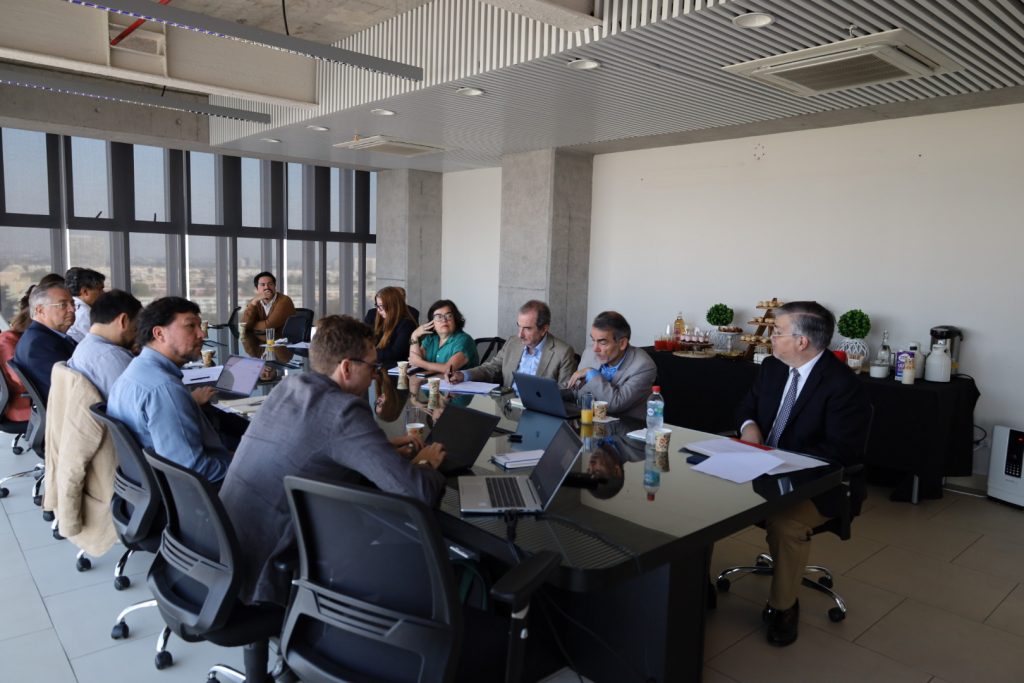
El Consejo Asesor está presidido por Pablo González, académico de la Universidad de Chile, y cuenta con la participación de destacados profesionales y académicos, entre ellos: Marcela Arellano, directora de la Vinculación e Integración Institucional de DUOC UC; Harald Beyer, académico de la Pontificia Universidad Católica de Chile; Alejandra Mizala, académica y prorrectora de la Universidad de Chile; Víctor Salas, académico de la Universidad de Santiago de Chile; Alejandro Espejo, consultor subsistema Técnico Profesional; Andrea Repetto, académica de la Pontificia Universidad Católica de Chile; Nicolas Fleet, académico de la Universidad Alberto Hurtado; entre otros.
El Consejo Asesor trabaja en base a sesiones regulares en distintas comisiones organizadas en torno a cuatro ejes: trayectorias formativas y procesos académicos; arquitectura y gobernanza del sistema; asociatividad para el desarrollo del conocimiento, innovación e internacionalización; y articulación con entornos productivos y dinamización del desarrollo.


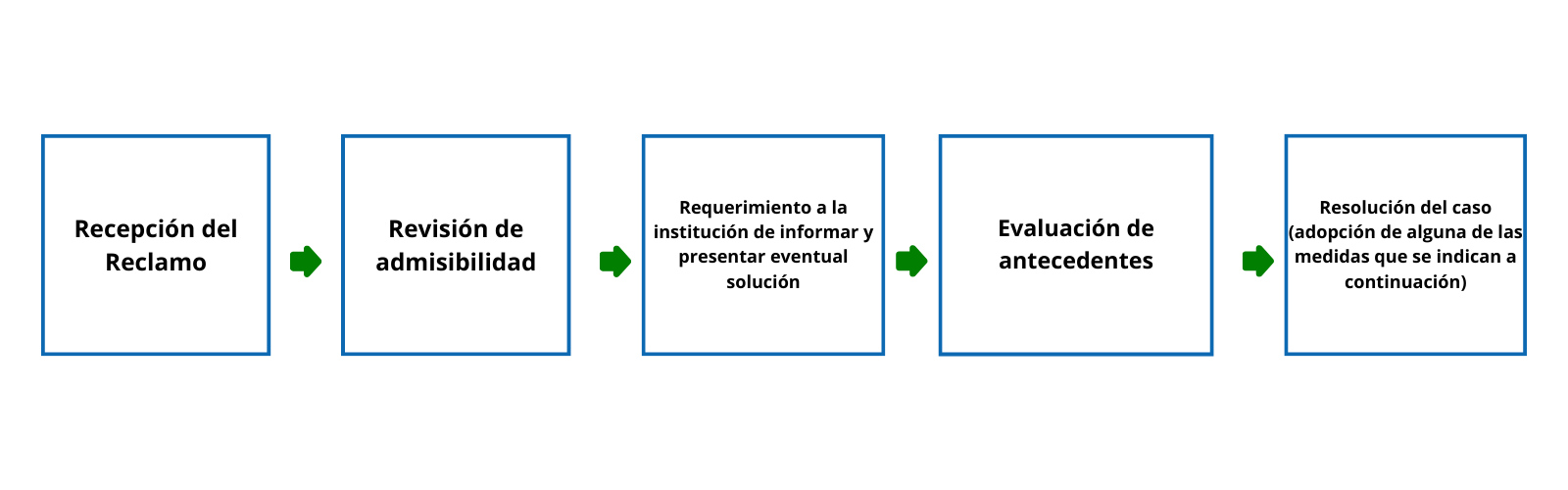
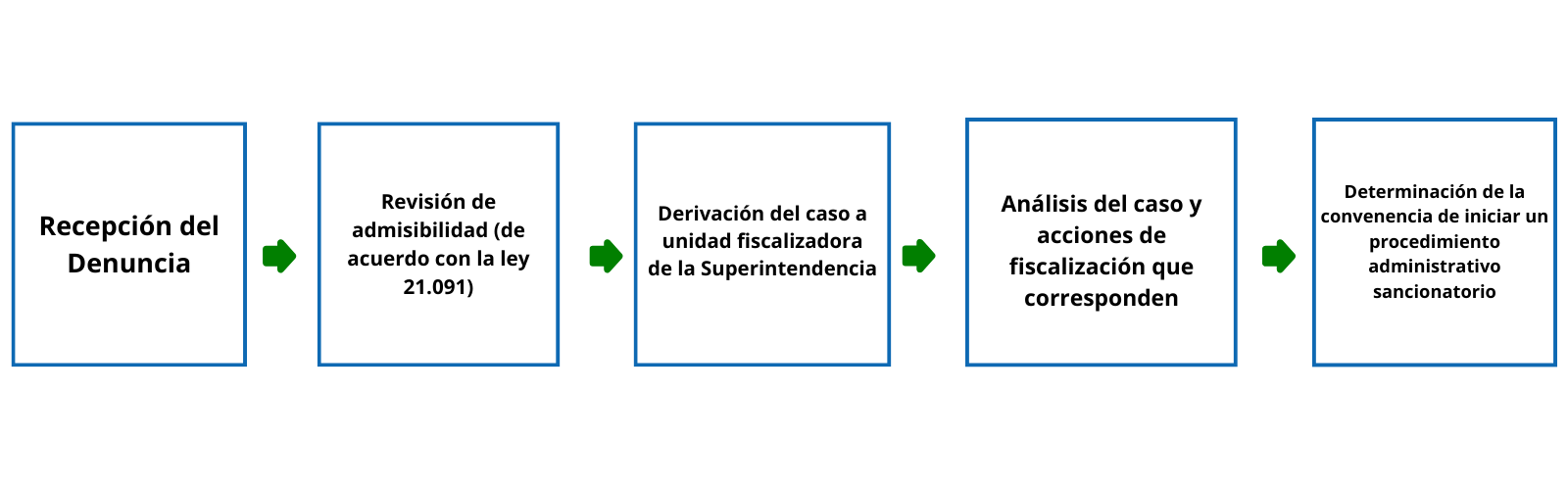
 Obtaining academic background: certificates (notes, a regular student, ranking, recognition of hours, title, grade, and exit), plans and programmes, concentration notes
 Problems in the community institutional arising from violations of the internal regulations of the institutions
 Charges for removal or academic suspension, charging wrong.
 Benefits and/or grants student grants and loans)
 Misleading advertising
 Infrastructure or equipment, laboratories, computer support
 Application and admission selection test
 Comprehensive policy against sexual harassment, violence and gender discrimination


